E-mail: touchtec@sztouchtec.com

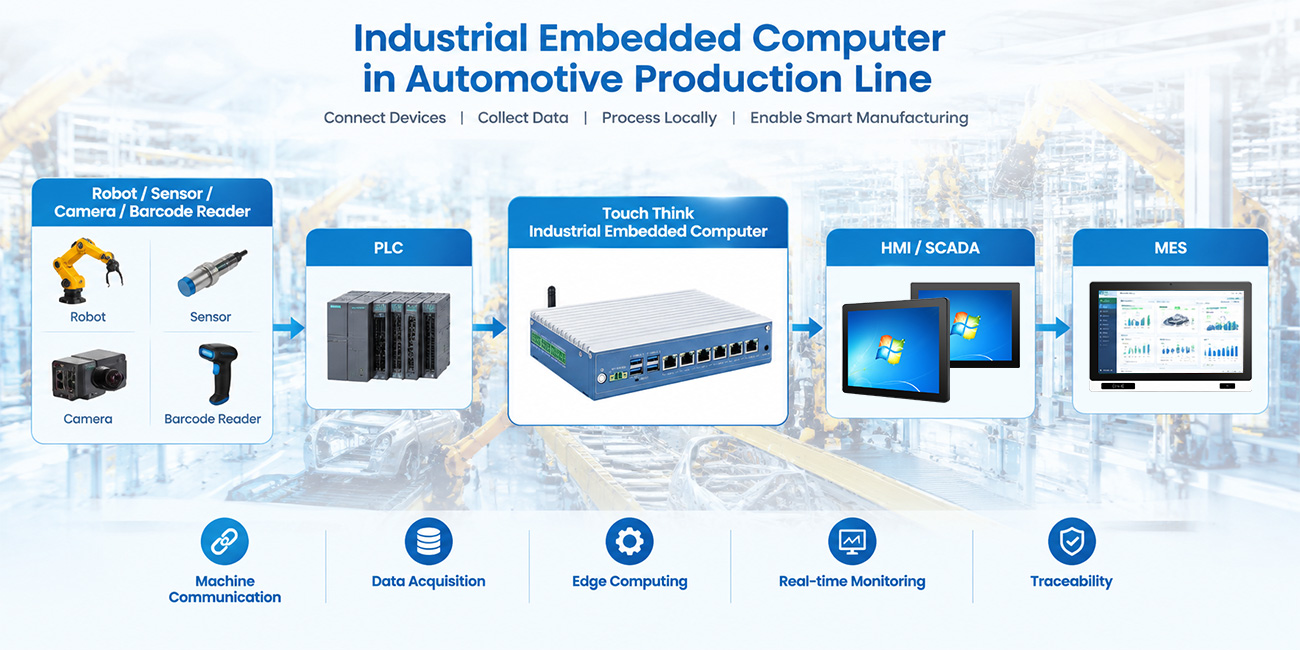
Automotive production lines combine multiple types of industrial equipment, including PLCs, robots, sensors, machine vision systems, barcode scanners, testing equipment and material handling systems. These devices need to operate together while continuously exchanging production and equipment data.
As automotive manufacturing becomes more connected and data-driven, automation systems require more than machine control alone. Production data needs to be collected, processed and transferred between the shop floor, HMI terminals, SCADA systems and MES platforms.
An industrial embedded computer can provide a compact computing layer between production equipment and factory software systems. It can collect machine data, communicate with industrial devices, perform local processing and connect production stations with higher-level manufacturing systems.
For automotive manufacturers, machine builders and automation system integrators, this makes industrial embedded computers a practical computing platform for production-line automation, edge computing and industrial data integration.
An automotive production line can contain several layers of equipment and software.
A typical architecture can be organized as:
Sensors / Cameras / Barcode Readers / Actuators
↓
PLC / Robot / Motion Controller
↓
Industrial Embedded Computer
Data Acquisition · Edge Processing · Communication · Local Applications
↓
Industrial Panel PC / HMI / SCADA
↓
MES / Production Database
↓
ERP / Factory Management System
The industrial embedded computer does not have to replace the PLC or robot controller.
Instead, it can provide an additional computing layer for functions that require more flexible software processing, data management or communication between different systems.
This separation allows the PLC to focus on deterministic machine control while the embedded computer handles tasks such as production data collection, local processing, equipment communication and system integration.
Automotive production involves complex processes and a large number of interconnected machines. Different production stations may use different controllers, communication interfaces and software systems.
Several practical requirements need to be considered when deploying computing equipment on the production floor.
Multiple Devices and Communication Interfaces
A single production station may connect to PLCs, sensors, robots, cameras, scanners and other peripheral devices.
The computing platform therefore needs sufficient I/O and communication capabilities for the specific automation architecture.
Continuous Production Data
Production equipment generates information continuously, including equipment status, process parameters, production counts, alarms and inspection results.
Instead of transferring every piece of raw data directly to a centralized server, selected data can be processed or buffered locally.
Limited Installation Space
Control equipment is often installed inside electrical cabinets, machine enclosures or compact production stations.
A large commercial computer may not be suitable for these environments. Compact embedded computing platforms can be integrated closer to the equipment.
24/7 Industrial Operation
Automotive production systems may operate for extended periods. Computing hardware therefore needs to be selected according to the actual temperature, power, vibration, electromagnetic and continuous-operation requirements of the installation environment.
1. Production Equipment Data Acquisition
An industrial embedded computer can collect information from different devices within a production station.
Typical data sources include PLCs, Sensors, Robots, Servo systems, Machine vision systems, Barcode and QR code scanners, Testing equipment, Production counters, and Energy monitoring devices. The collected data can then be filtered, processed or stored locally before being transferred to SCADA, MES or other factory systems.
For example:
PLC → Industrial Embedded Computer → Production Data → MES
This approach allows the computing platform to act as a local data gateway for the production station.
2. PLC and Equipment Communication
The PLC remains an important controller in many automotive automation systems.
However, production systems often need to exchange information with additional software and devices.
An industrial embedded computer can provide a communication layer between:
PLC ↔ Embedded Computer ↔ MES / SCADA
Depending on the system architecture, the computer may communicate through Ethernet, serial interfaces and supported industrial communication protocols.
The exact interfaces and protocols should be selected according to the PLC, equipment and software environment.
This makes the embedded computer useful when a production station needs to exchange information between machine-level equipment and factory-level applications.
3. Local Edge Computing
One of the main advantages of placing computing resources close to the production equipment is that selected data can be processed locally.
Instead of:
Machine → Central Server → Processing → Machine
a production station can use:
Machine → Industrial Embedded Computer → Local Processing
The embedded computer can perform tasks such as Data filtering, Data conversion, Local calculation, Event detection, Data buffering, Equipment monitoring, Alarm processing, Local database operations, and Communication with factory systems. This can reduce unnecessary data transmission and provide faster access to information generated by the production equipment.
For automotive production lines with multiple independent stations, each embedded computer can operate as a local edge node.
4. Machine Vision and Automated Inspection
Machine vision is widely used for automated inspection and identification in manufacturing.
A production station may use cameras to inspect components, verify assembly conditions, identify products or detect visible defects.
A possible architecture is:
Industrial Camera
↓
Industrial Embedded Computer
↓
Image Processing / Inspection Application
↓
Inspection Result
↓
PLC / HMI / MES
The computing requirements depend on the vision application.
Simple inspection or image acquisition tasks may require relatively modest computing resources, while multi-camera processing or AI-based inference can require significantly greater CPU, GPU or NPU performance.
Therefore, the embedded computer should be selected according to the actual image-processing workload rather than simply choosing the highest-performance processor.
5. Production Traceability
Traceability is particularly important when different components and processes need to be associated with an individual product or production order.
An industrial embedded computer can collect information from identification devices and combine it with process data.
For example:
QR Code / Barcode
↓
Product Identification
↓
Production Station
↓
Process Parameters
↓
Inspection Result
↓
MES Record
This creates a digital production record that can be transferred to the manufacturing execution system.
The embedded computer can therefore function as a local data collection and processing point between the identification device, production equipment and MES.
6. HMI and Local Production Monitoring
Some production stations require operators to monitor equipment status or interact with local applications.
In such applications, an industrial embedded computer can work together with an industrial panel PC.
The architecture can be:
Industrial Embedded Computer
→ Data Processing / Communication / Local Application
Industrial Panel PC
→ HMI / Visualization / Operator Interaction
This separates computing and display functions while allowing the system integrator to select the appropriate hardware for each role.
For example, an embedded computer can be installed inside a control cabinet while an industrial panel PC is mounted on the front of the machine for operator access.
Industrial embedded computers can be integrated into different production processes depending on the automation architecture.
1. Body-in-White and Welding
2.Automated Assembly
3.Battery and EV Component Production
4.Automated Material Handling
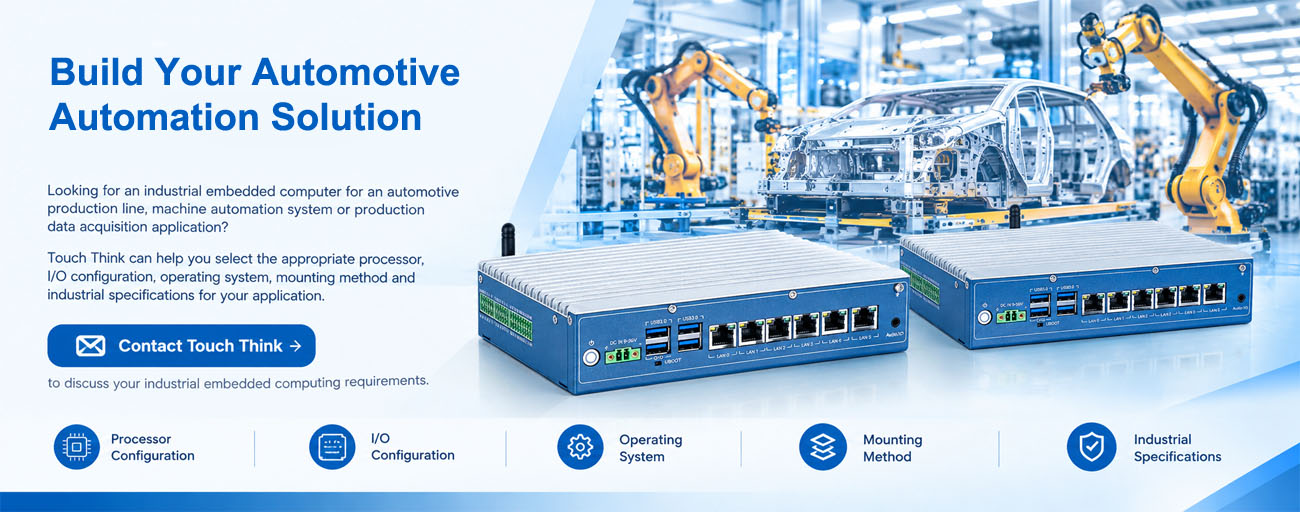
Touch Think provides industrial embedded computing platforms for automation equipment, production data acquisition, industrial HMI, edge computing and machine integration applications.
Depending on the application, Touch Think industrial embedded computers can be configured around different Intel processor platforms and I/O requirements.
Typical configuration considerations include:
· Intel processor platforms
· Fanless industrial design
· Compact embedded form factors
· Multiple Ethernet interfaces
· Industrial serial interfaces
· USB and display interfaces
· M.2 / Mini PCIe expansion
· Windows and Linux operating system support
· Wide DC power input options
· Industrial operating temperature options
· Flexible mounting configurations
For automotive production applications, the embedded computer can be configured according to the role it performs within the production architecture.
For example:
Data Acquisition Node
PLC + Sensors → Industrial Embedded Computer → MES
Vision Processing Node
Camera → Industrial Embedded Computer → Inspection Application → PLC/MES
HMI Computing Platform
Industrial Embedded Computer → Industrial Panel PC → Operator
Production Edge Node
Production Equipment → Embedded Computer → Local Processing → SCADA/MES
This modular approach allows automation system integrators to select computing performance, I/O and installation options according to each production station.
7 inch to 32 inch Options Rear Mount Wide Temperature 24/7 Operation Industrial LCD Monitor VIEW MORE
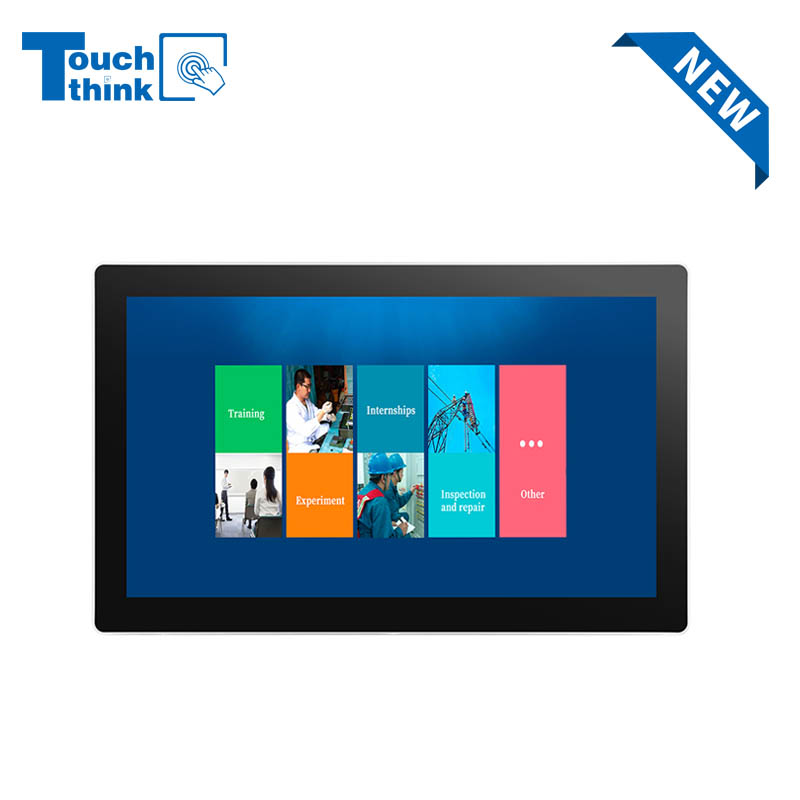
IP65 Wall-Mounted Industrial Touch Screen Monitor | Waterproof HMI Display VIEW MORE
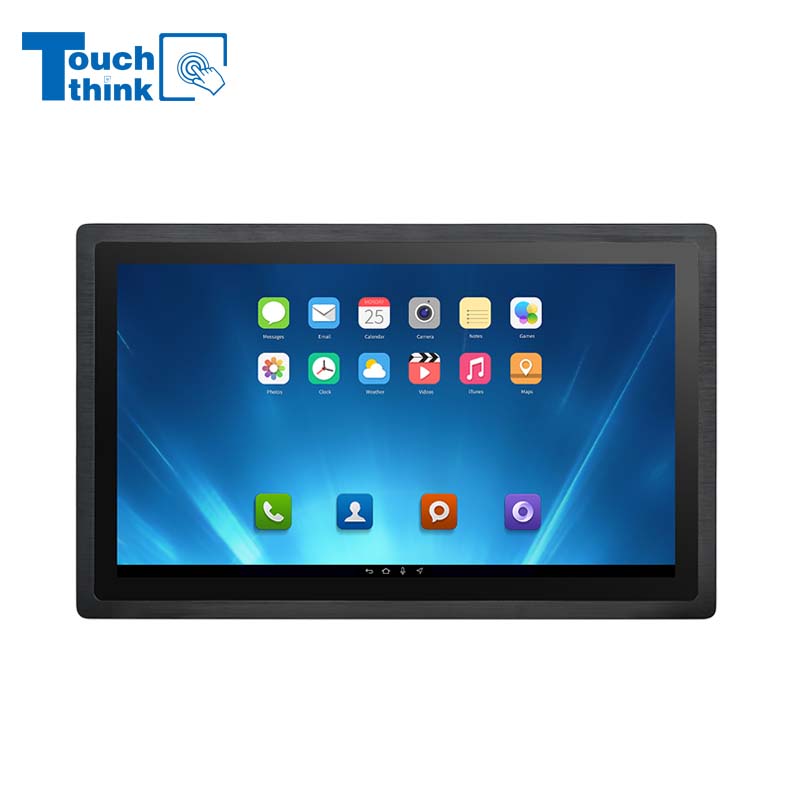
23.8 Inch Industrial Panel PC, Slim Ultra-Thin Design, Multiple I/O Ports, Rugged Touch Computer for IIoT VIEW MORE
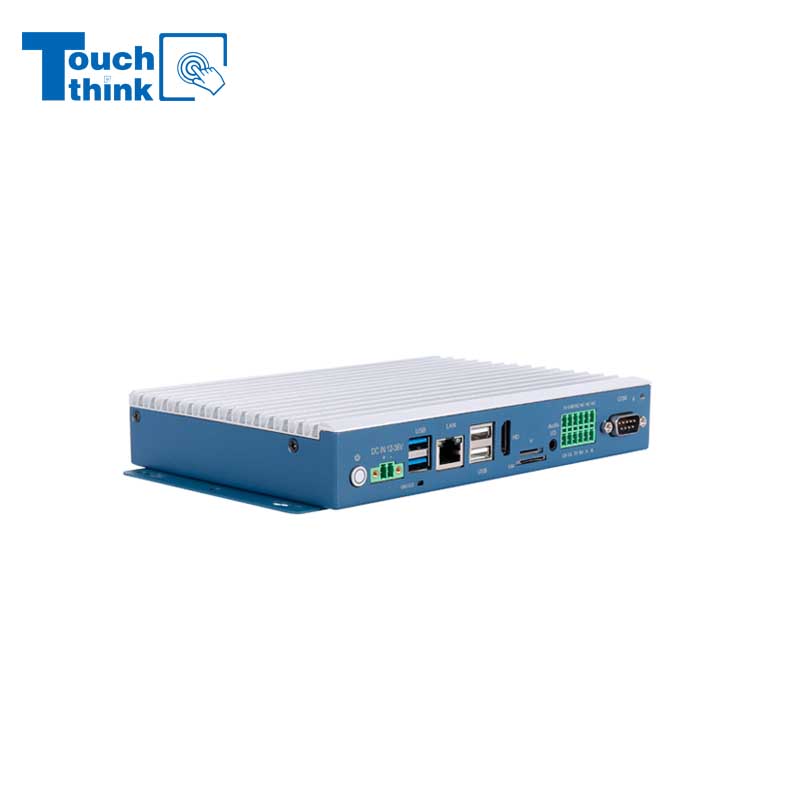
Embedded Fanless Computer ARM Cortex-A55 Quad-Core 64-bit Computers with 1TOPS NPU and Wi-Fi 6 Capabilities VIEW MORE
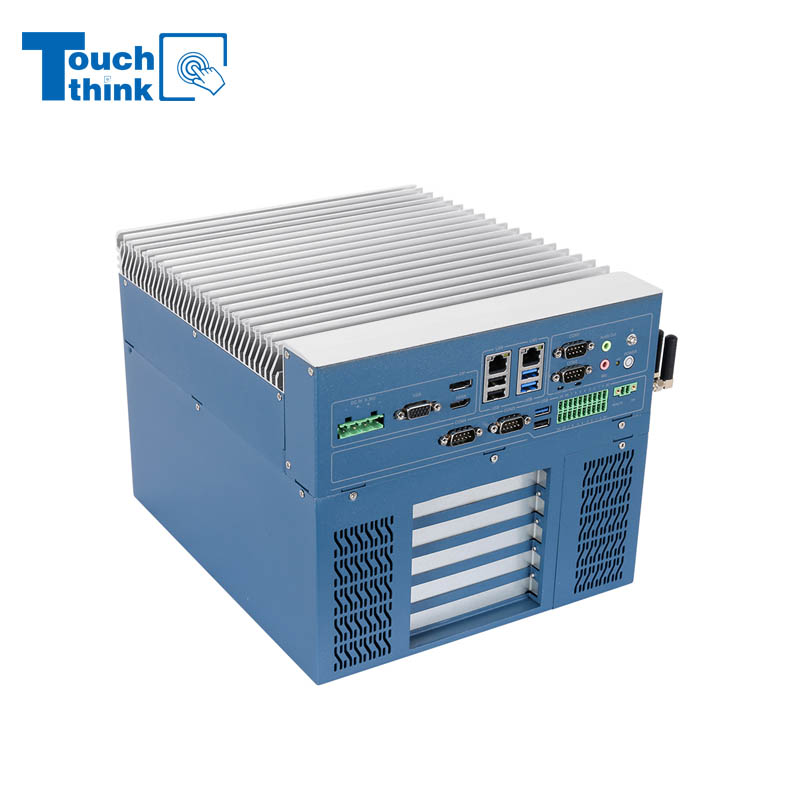
High Expandability Industrial Embedded PC with Expansion Slots PCIex16 PCIex4 9 to 36V Input VIEW MORE
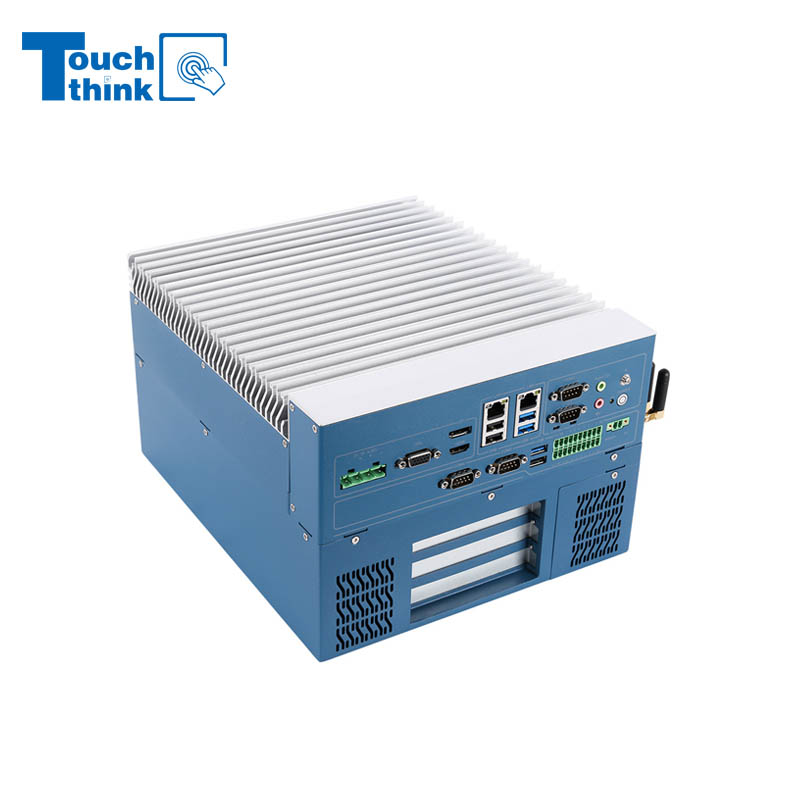
Modular Embedded Computer with Intel® Core 12/13/14th-Gen Processor 2.5GbE LAN VIEW MORE
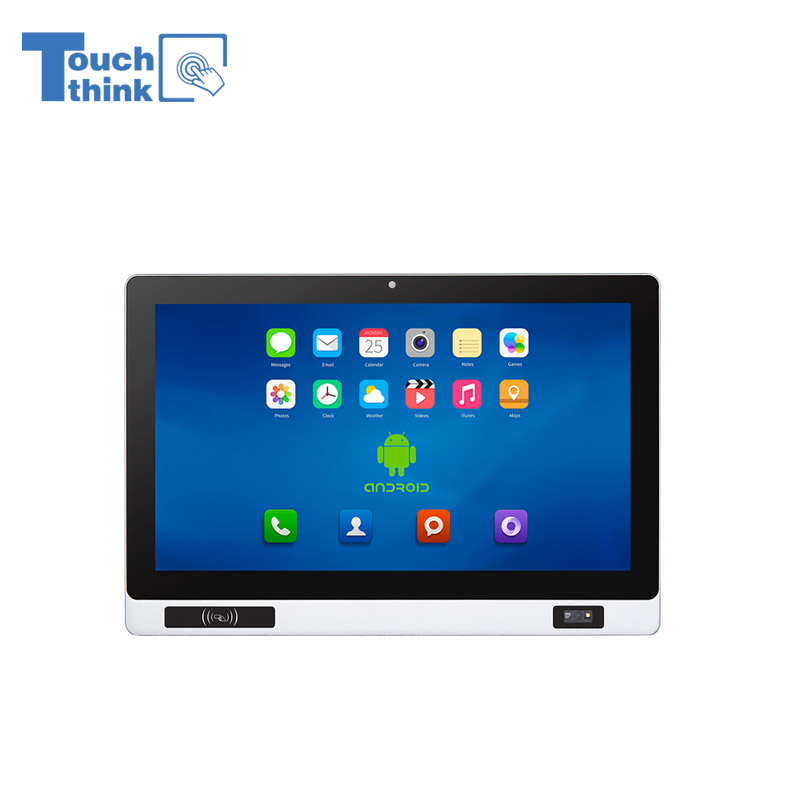
Industrial Panel PC with NFC and QR Code Scanning Functions for Smart Factory VIEW MORE
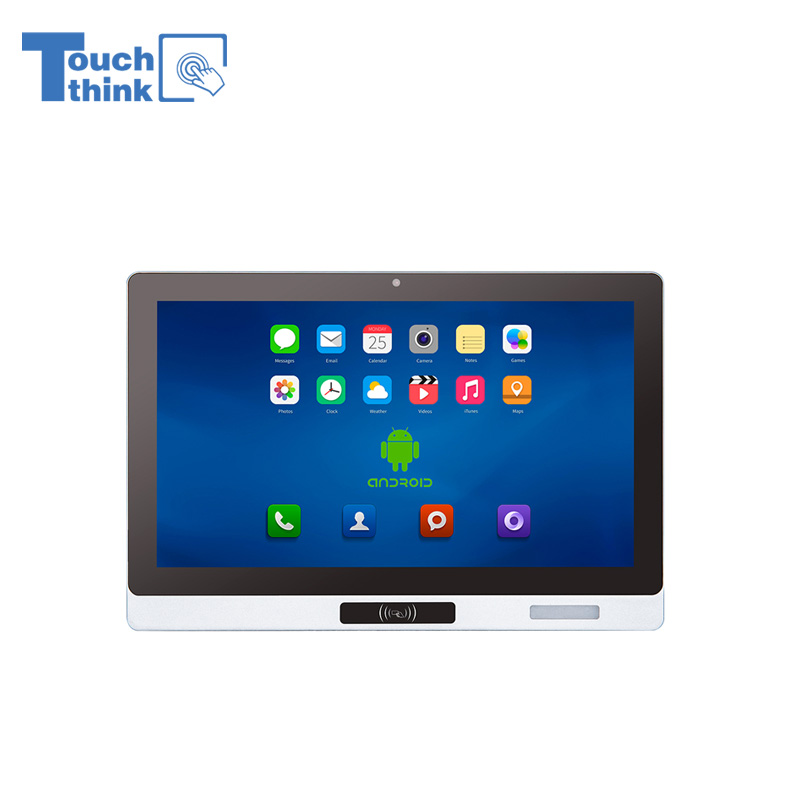
All-in-One Android Panel PCs with NFC/Camera For MES System in Digital Factory 24/7 Use VIEW MORE
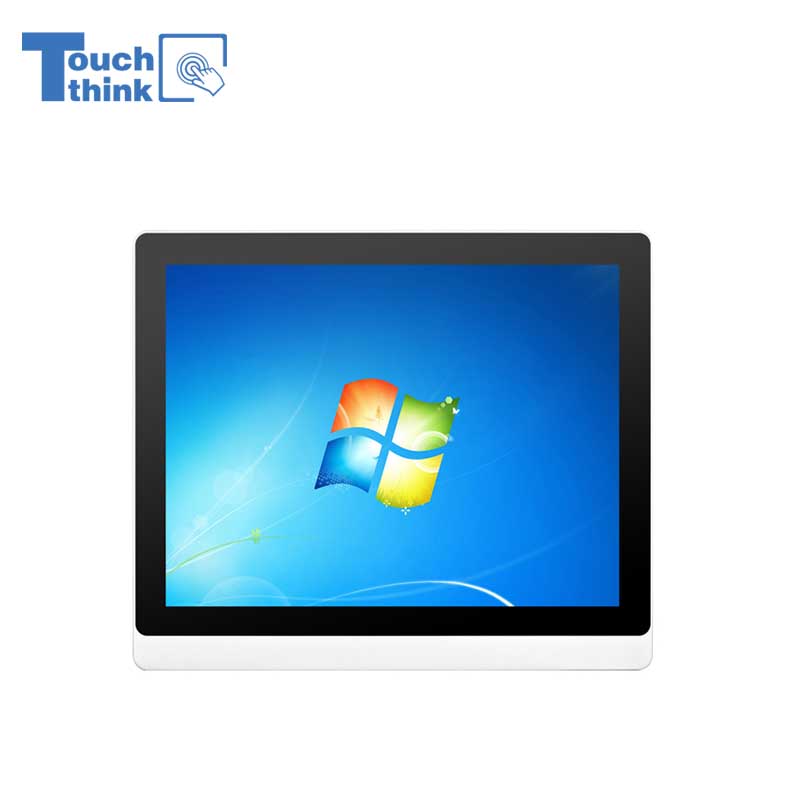
VESA Mount Industrial Touch Panel PC with i3 i5 i7 Processor Desktop Computer 8GB DDR4 128GB SSD VIEW MORE
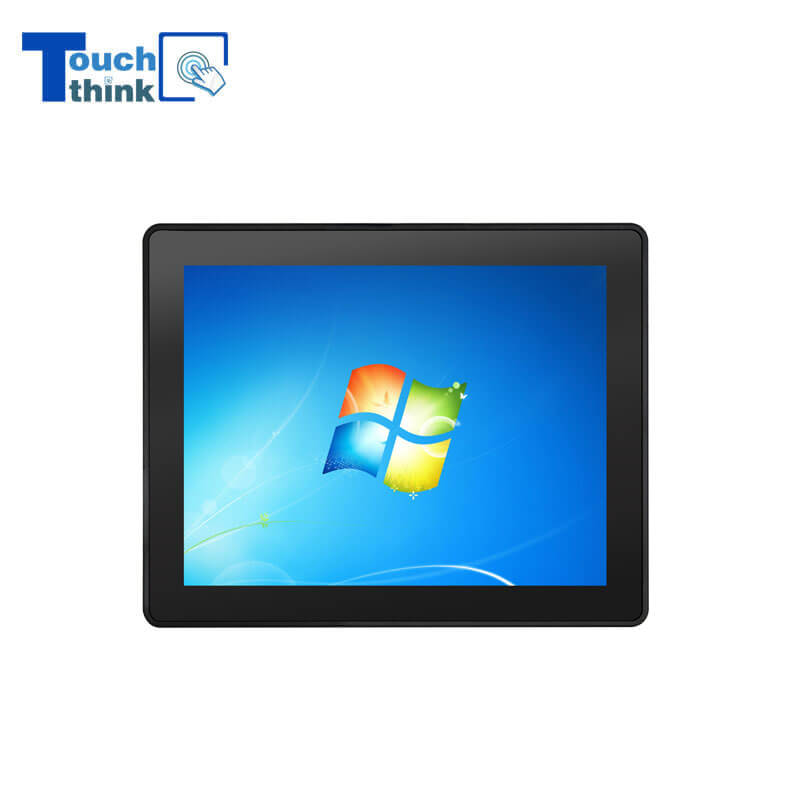
Rugged IP65 Industrial Touchscreen Computer Industrial HMI Panel PC VIEW MORE
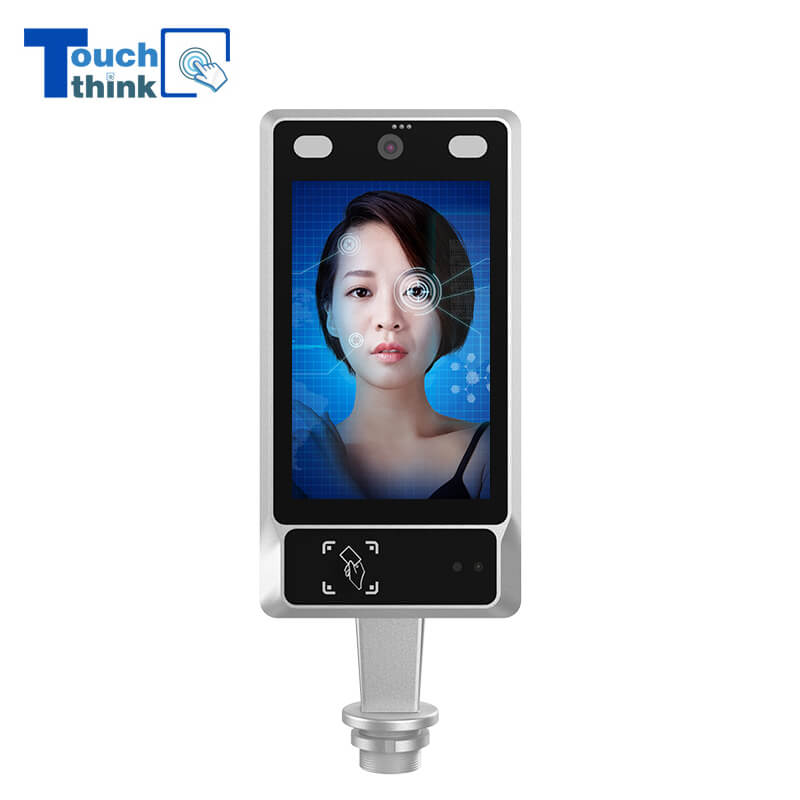
8 inch Facial Recognition Terminal For Turnstile Access Control VIEW MORE
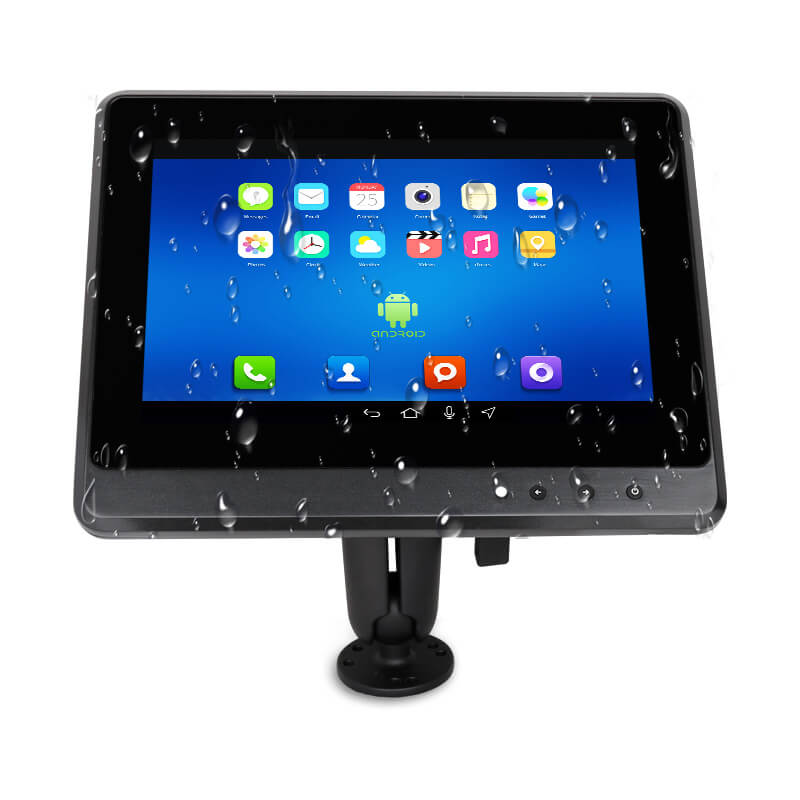
Android In-Vehicle Industrial Panel PC Vehicle AGV Computer VIEW MORE

Copyright © Shenzhen Touch Think Intelligence Co.,Ltd. All Rights Reserved Update cookies preferences