E-mail: touchtec@sztouchtec.com


How Industrial Computers Collect and Process Production Data at the Edge
Industrial computers - often referred to as edge computers or industrial embedded PCs—play a critical role in modern smart factories. Instead of sending all raw data to the cloud, these systems collect, analyze, and act on production data locally at the edge, enabling faster decision-making, improved reliability, and better efficiency.
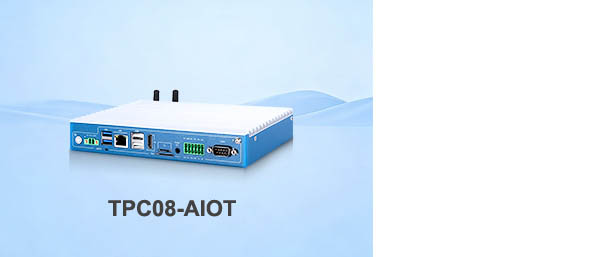
Touch Think Industrial Computer
Model: TPC08-AIOT
1. Dimension: 200*138.5*34mm
2. CPU Options: RK3568/RK3588/RK3576/RK3566
3. RAM Options: 2/4/8/16GB
4. Storage Options: 16/32/64/128/256GB
5. Single-LAN or Dual-LAN options
Here’s how the process works
1. Data Collection from Machines and Sensors
Industrial computers are designed with rich I/O interfaces to directly connect with shop-floor equipment. They capture real-time data from:
a. PLC controllers (via Modbus, EtherCAT, CANbus, OPC-UA…)
b. Industrial sensors (temperature, vibration, pressure, humidity)
c. Production machinery (CNCs, robots, conveyors)
d. Barcode/RFID readers
e. Vision inspection cameras
These systems continuously gather operational data such as cycle time, equipment status, environmental measurements, and quality metrics.
2. Edge-Level Preprocessing
Before sending any data upstream, industrial computers perform local preprocessing to reduce noise and unnecessary load:
a. Filtering & noise reduction
b. Data normalization
c. Signal aggregation (averages, thresholds, event triggers)
d. Timestamping and labeling
e. Detecting anomalies in real time
This ensures that only meaningful and actionable information moves to the next stage.
3. On-Device Analytics and Intelligence
Thanks to powerful CPUs (Intel® Core™, Atom®, AMD, ARM) and AI accelerators, edge computers can run advanced analytics directly on the production line:
a. Predictive maintenance (vibration analysis, fault prediction)
b. Quality control using AI or machine vision
c. Real-time production monitoring (OEE calculations)
d. Local dashboards and HMI visualization
e. Event-based alarms (if the machine temperature is too high, etc.)
Because analysis happens locally, factories get millisecond response times, and operations continue even if the cloud connection is lost.
4. Secure Storage and Local Data Logging
Industrial PCs often integrate:
a. SSDs for fast local data logging
b. Databases such as SQLite, InfluxDB, or embedded NoSQL
c. RAID options for reliability
d. Edge gateways for redundancy
This ensures data is safely stored at the point of production before being uploaded.
5. Data Transmission to Cloud / MES / SCADA
After processing and filtering data at the edge, industrial computers send selected outputs to:
a. MES / ERP systems
b. SCADA platforms
c. Cloud services (AWS, Azure, Alibaba Cloud, etc.)
They use secure industrial communication methods:
a. MQTT, OPC-UA, AMQP
b. 4G/5G, WiFi, Ethernet
c. VPN or TLS encryption
This combination of edge + cloud creates a hybrid architecture that balances speed with long-term storage and AI training.
6. Enabling Real-Time Decision Making
Because data is processed locally, the production issues are detected instantly, then operators receive immediate alerts, and the machines can self-adjust based on conditions at the same time. Thus, the production lines become more autonomous. This reduces downtime, enhances product quality, and increases overall productivity.
In all, industrial computers collect and process production data at the edge by:
1. Connecting directly to sensors, PLCs, and machines
2. Preprocessing data locally
3. Running real-time analytics and AI algorithms
4. Storing data securely on-device
5. Sending only essential data to SCADA/MES/cloud
6. Supporting fast, autonomous decision-making on the production floor
This edge architecture is essential for Industry 4.0, smart factories, and digital transformation.
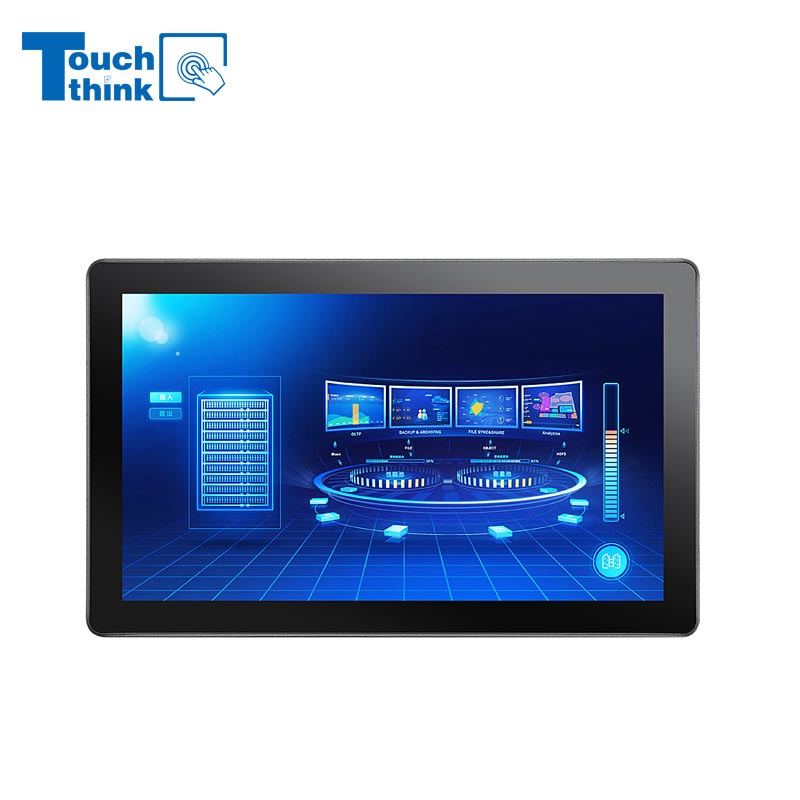
7 inch to 32 inch Options Rear Mount Wide Temperature 24/7 Operation Industrial LCD Monitor VIEW MORE
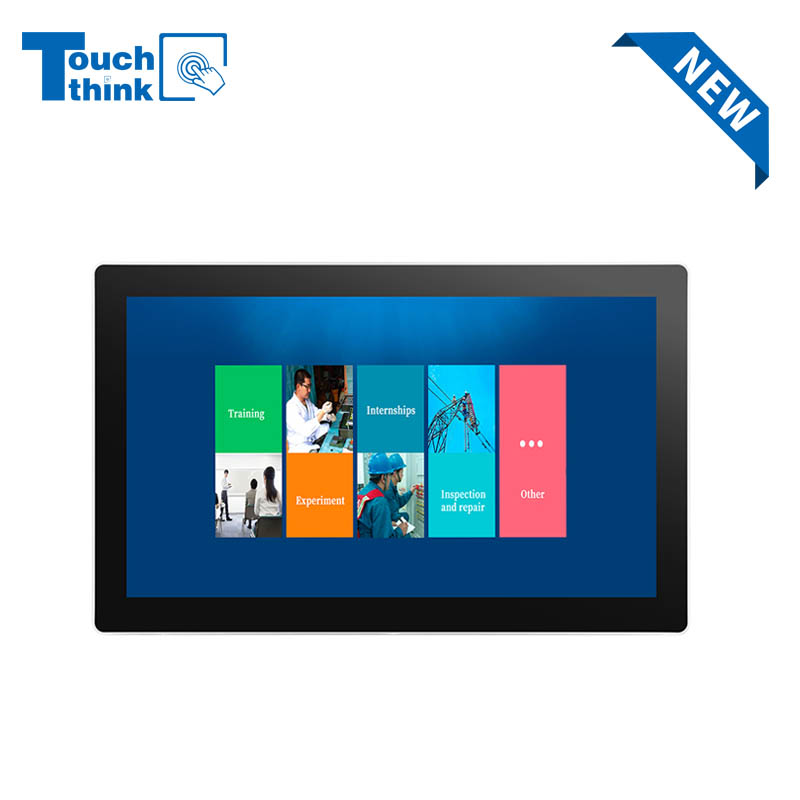
IP65 Wall-Mounted Industrial Touch Screen Monitor | Waterproof HMI Display VIEW MORE
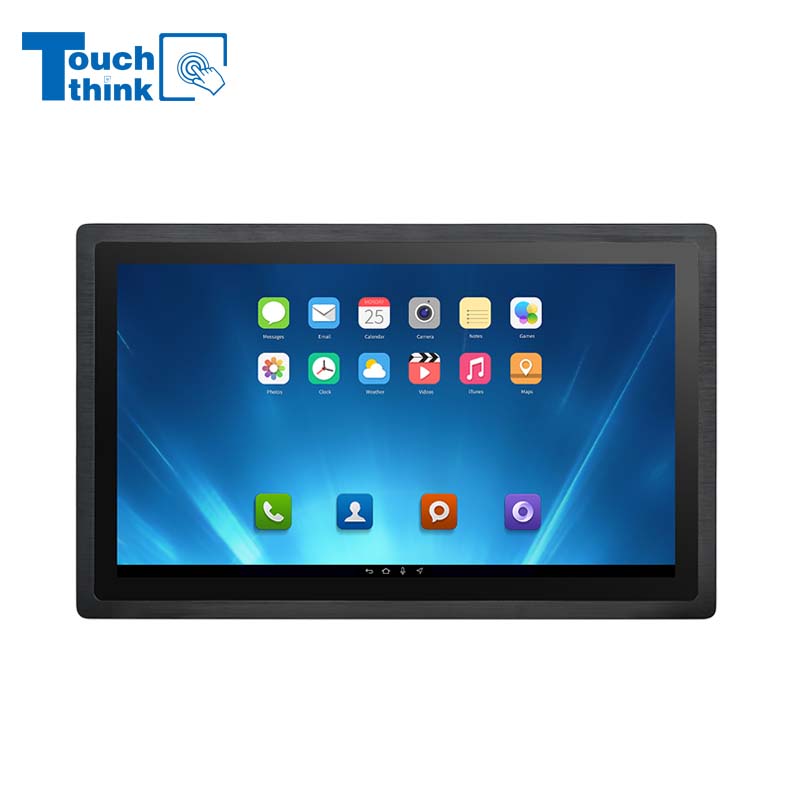
23.8 Inch Industrial Panel PC, Slim Ultra-Thin Design, Multiple I/O Ports, Rugged Touch Computer for IIoT VIEW MORE
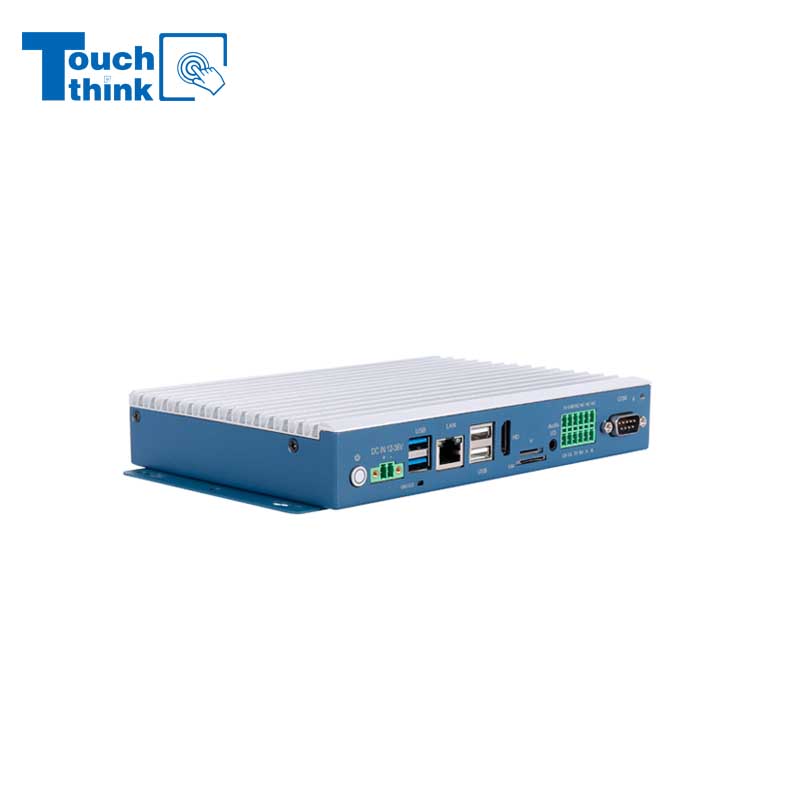
Embedded Fanless Computer ARM Cortex-A55 Quad-Core 64-bit Computers with 1TOPS NPU and Wi-Fi 6 Capabilities VIEW MORE
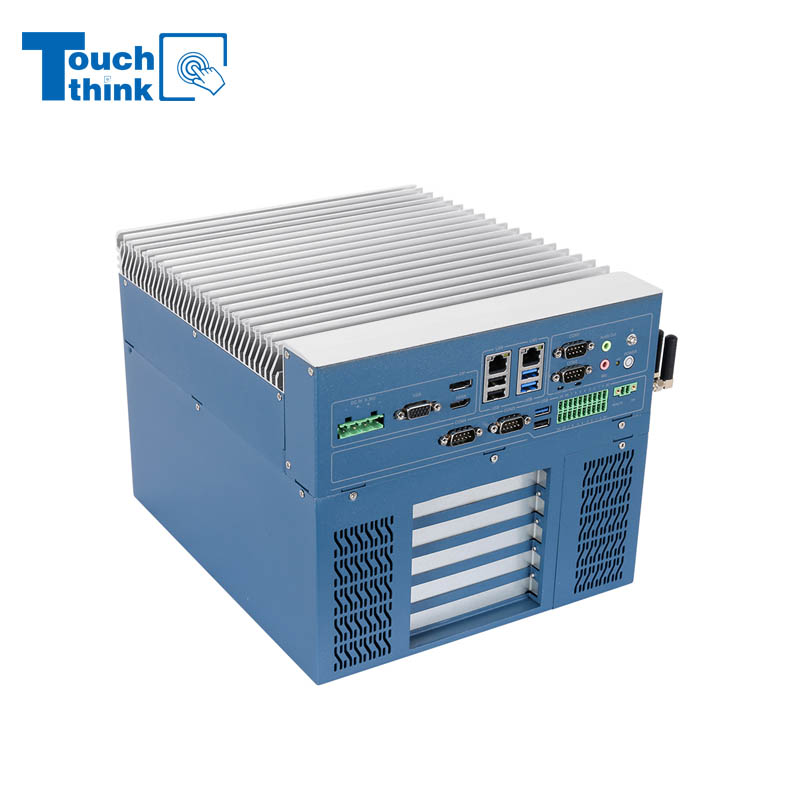
High Expandability Industrial Embedded PC with Expansion Slots PCIex16 PCIex4 9 to 36V Input VIEW MORE
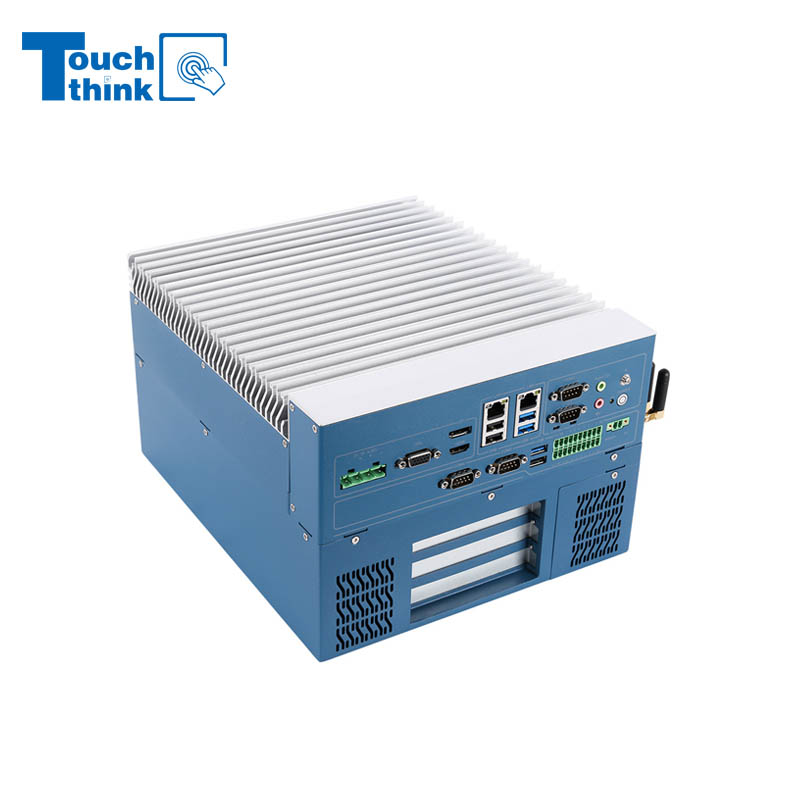
Modular Embedded Computer with Intel® Core 12/13/14th-Gen Processor 2.5GbE LAN VIEW MORE
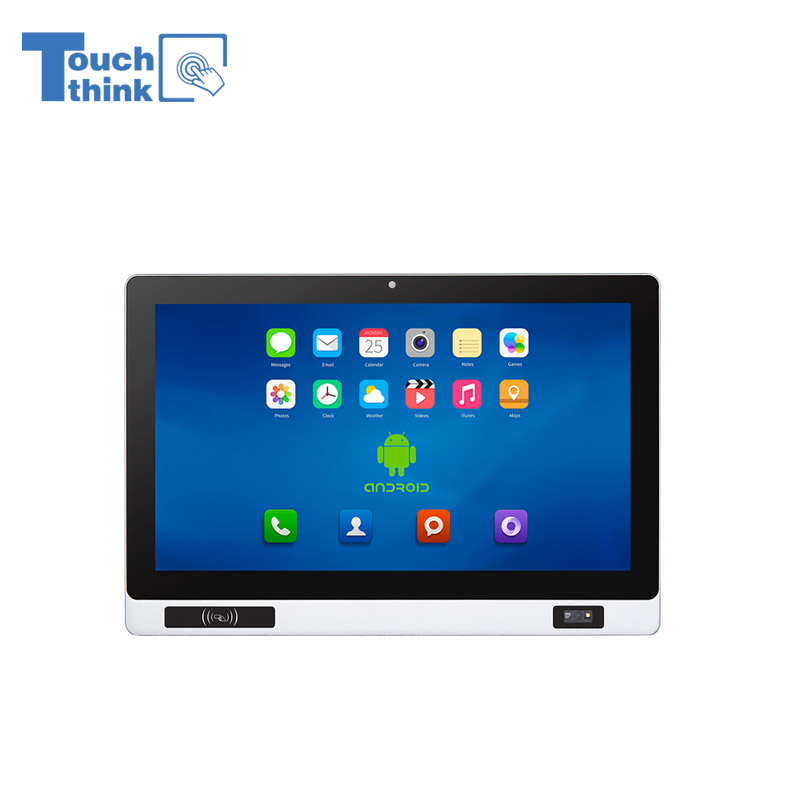
Industrial Panel PC with NFC and QR Code Scanning Functions for Smart Factory VIEW MORE
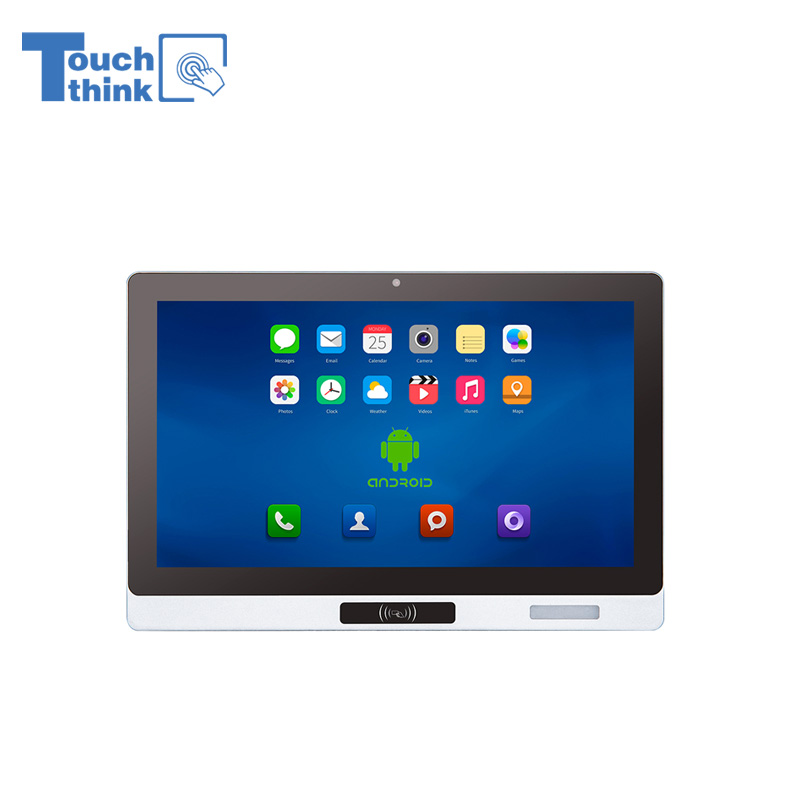
All-in-One Android Panel PCs with NFC/Camera For MES System in Digital Factory 24/7 Use VIEW MORE
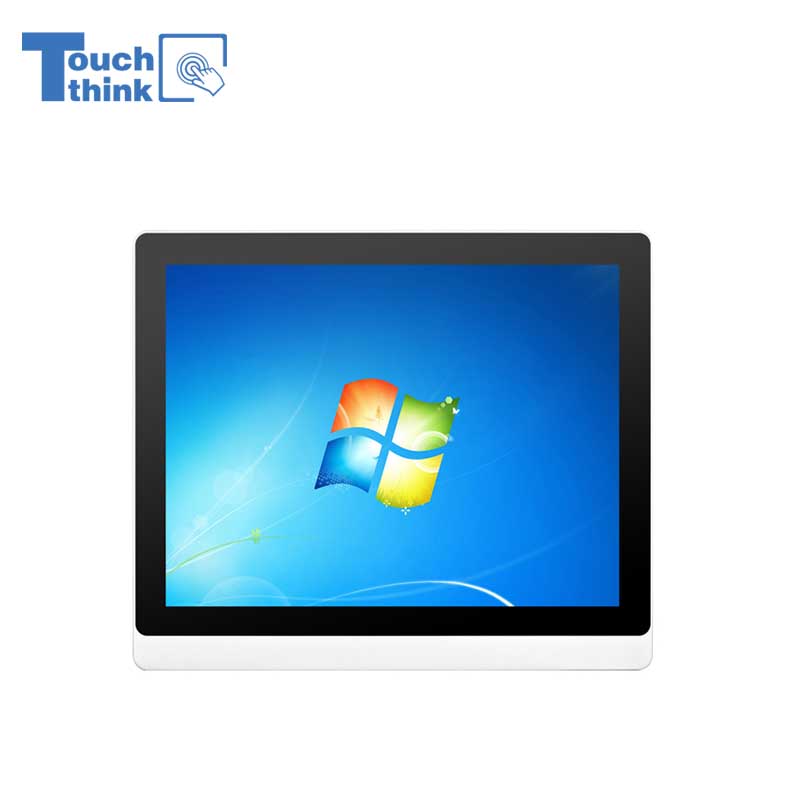
VESA Mount Industrial Touch Panel PC with i3 i5 i7 Processor Desktop Computer 8GB DDR4 128GB SSD VIEW MORE
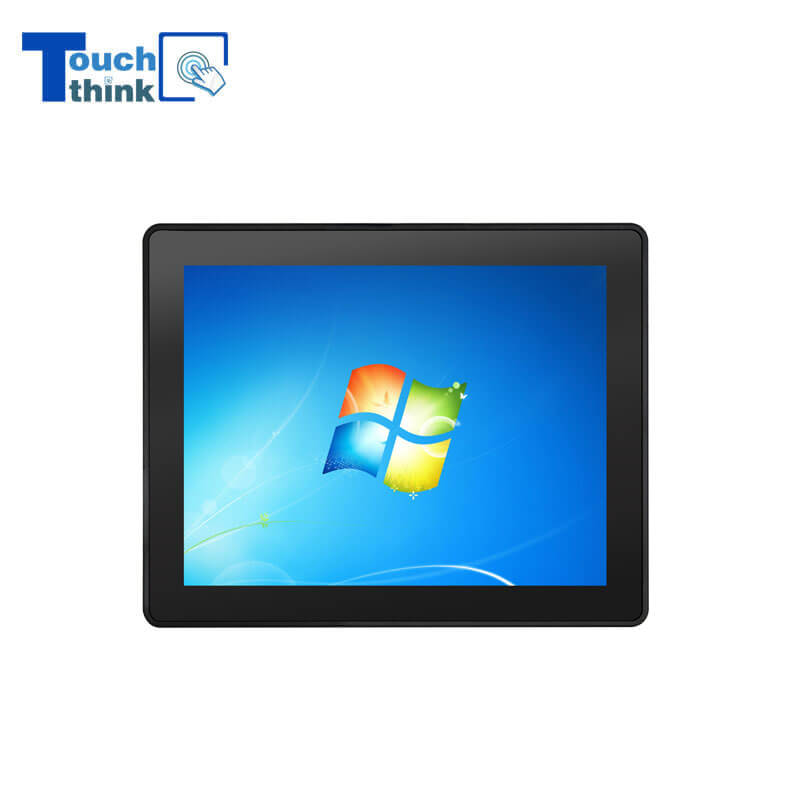
Rugged IP65 Industrial Touchscreen Computer Industrial HMI Panel PC VIEW MORE
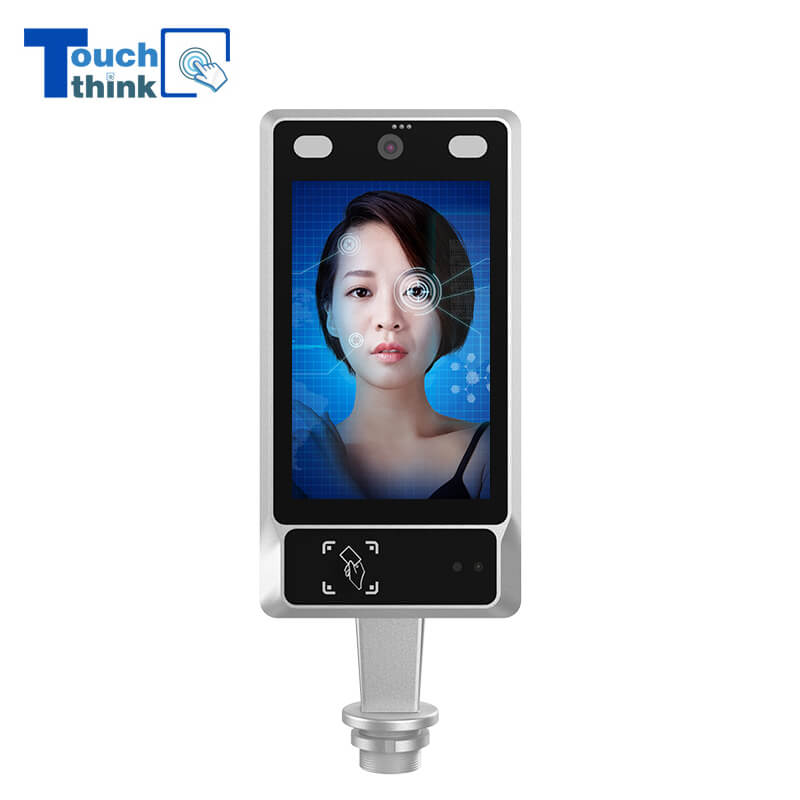
8 inch Facial Recognition Terminal For Turnstile Access Control VIEW MORE
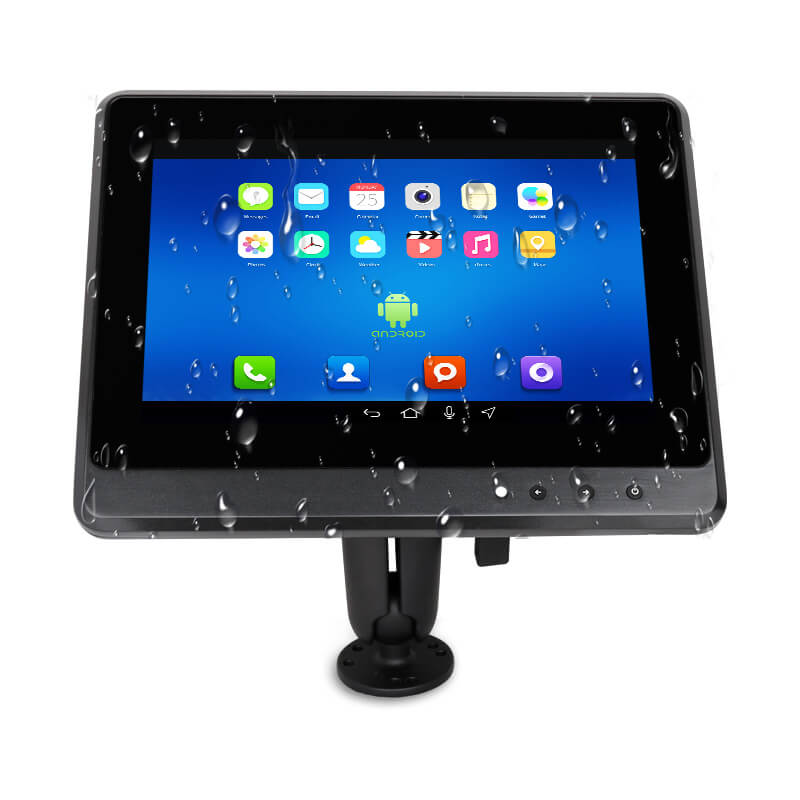
Android In-Vehicle Industrial Panel PC Vehicle AGV Computer VIEW MORE

Copyright © Shenzhen Touch Think Intelligence Co.,Ltd. All Rights Reserved Update cookies preferences