E-mail: touchtec@sztouchtec.com

Background
Modern railway networks are rapidly evolving toward digital, data-driven operations. With the widespread deployment of advanced railway signaling systems, real-time video surveillance, and intelligent traffic management platforms, rail operators must process massive volumes of data with extremely high reliability and low latency.
Railway environments are uniquely demanding. Systems must operate continuously (24/7), withstand vibration, dust, electromagnetic interference, and temperature extremes, and comply with strict safety and reliability standards. In this context, industrial embedded computers have become a core infrastructure component, serving as the computational backbone for railway signaling, trackside monitoring, and rail surveillance systems.
This case study examines how industrial embedded computers are deployed in data-heavy railway signaling and surveillance applications, highlighting the challenges faced, the solution architecture, and the measurable benefits delivered.
Challenge
1. High-Volume, Real-Time Data Processing
Railway signaling and surveillance systems generate enormous data streams from multiple sources, including:
a. High-definition IP cameras along tracks and platforms
b. Interlocking and signaling controllers
c. Train detection sensors and axle counters
d. Environmental and condition-monitoring devices
These systems require real-time data processing to ensure safe train operation, rapid incident detection, and immediate response to anomalies.
2. Harsh and Distributed Operating Environments
Unlike traditional IT systems, railway infrastructure is deployed across complex environments, such as trackside cabinets, control rooms, wayside equipment enclosures, tunnels, stations, and outdoor installations.
Embedded computing platforms must tolerate wide temperature ranges, vibration, humidity, and electrical noise while maintaining long-term stability.
3. System Reliability and Safety Requirements
Railway signaling is a safety-critical application. System downtime or data loss can result in service disruption, increased operational risk, or regulatory non-compliance
Conventional commercial-grade PCs often fail to meet the long lifecycle, deterministic performance, and industrial certification requirements demanded by railway operators.
Solution
To address these challenges, the railway operator deployed industrial embedded computers specifically designed for signaling and surveillance workloads.
Industrial Embedded Computer Architecture
The solution incorporated the following key features:
● High-Performance Multi-Core Processors
Industrial-grade CPUs enabled real-time analytics, video decoding, and signal processing without latency bottlenecks.
● Fanless, Ruggedized Design
Fanless embedded systems eliminated mechanical failure points while supporting operation in dusty, vibration-prone environments.
● Rich I/O and Expansion Capabilities
Multiple LAN ports, serial interfaces, digital I/O, and optional PoE support direct connection to cameras, sensors, and signaling equipment.
● Edge Computing for Railway Surveillance
Video streams were processed locally at the edge, enabling AI-based object detection, intrusion monitoring, and event filtering before data transmission to central control systems.
● Long Lifecycle and Industrial Certifications
The embedded computers supported extended product availability and compliance with railway and industrial standards, ensuring long-term maintainability.
By deploying embedded computers at both trackside locations and central signaling hubs, the operator achieved a distributed computing architecture optimized for high data throughput and fault tolerance.
Benefits
1. Improved Safety and Operational Visibility
Real-time processing of signaling data and surveillance video enabled faster detection of track obstructions, unauthorized access, equipment faults, and abnormal train movements. This significantly enhanced overall railway safety and situational awareness.
2. Reduced Network Bandwidth and Latency
Edge-based industrial embedded computers processed and filtered data locally, transmitting only critical information to the control center. This reduced network load and improved response times.
3. High System Reliability and Uptime
The rugged, industrial design ensured continuous operation under harsh environmental conditions, minimizing system failures and maintenance interventions.
4. Scalable and Future-Ready Architecture
The modular nature of embedded computing platforms allowed the railway operator to add new cameras and sensors, deploy AI-based video analytics, and integrate with next-generation signaling systems. All without major infrastructure redesign.
5. Lower Total Cost of Ownership (TCO)
Long product lifecycles, reduced downtime, and minimal maintenance requirements translated into measurable cost savings over traditional PC-based solutions.
Conclusion
This case study demonstrates that industrial embedded computers are a critical enabler for data-heavy railway signaling and surveillance systems. By combining rugged hardware design, high-performance processing, and edge computing capabilities, these systems meet the stringent safety, reliability, and scalability requirements of modern rail networks.
As railway operators continue to adopt intelligent transportation systems, AI-powered surveillance, and digital signaling technologies, industrial embedded computers will remain a foundational component—ensuring safe, efficient, and future-proof railway operations.
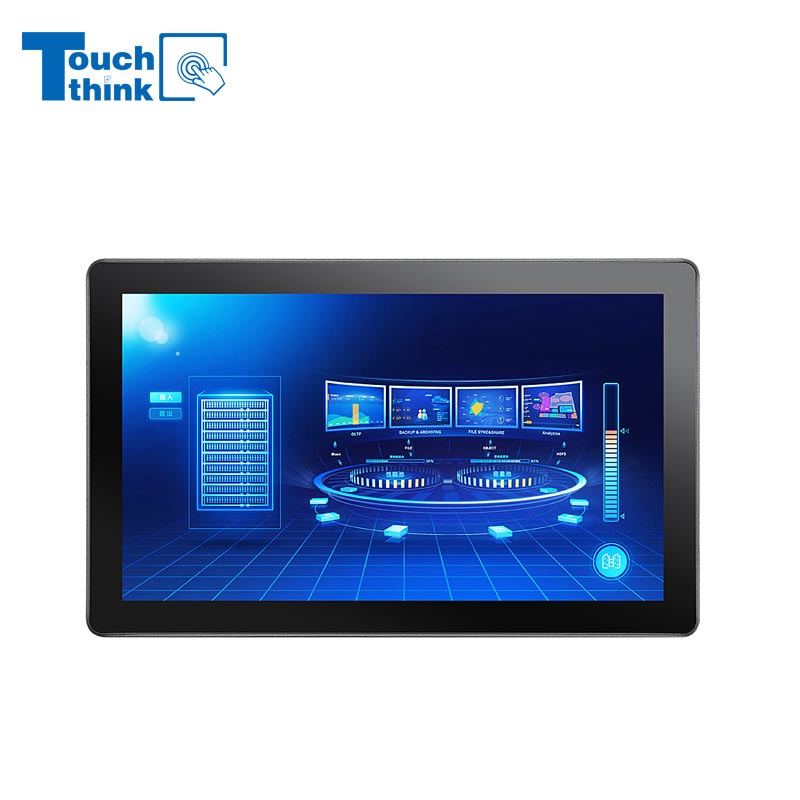
7 inch to 32 inch Options Rear Mount Wide Temperature 24/7 Operation Industrial LCD Monitor VIEW MORE
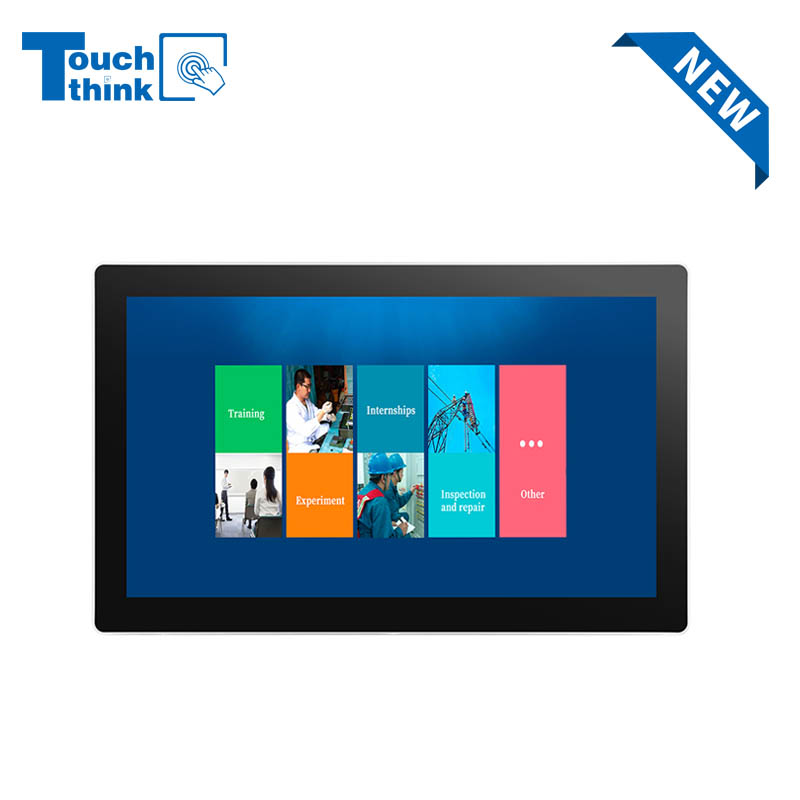
IP65 Wall-Mounted Industrial Touch Screen Monitor | Waterproof HMI Display VIEW MORE
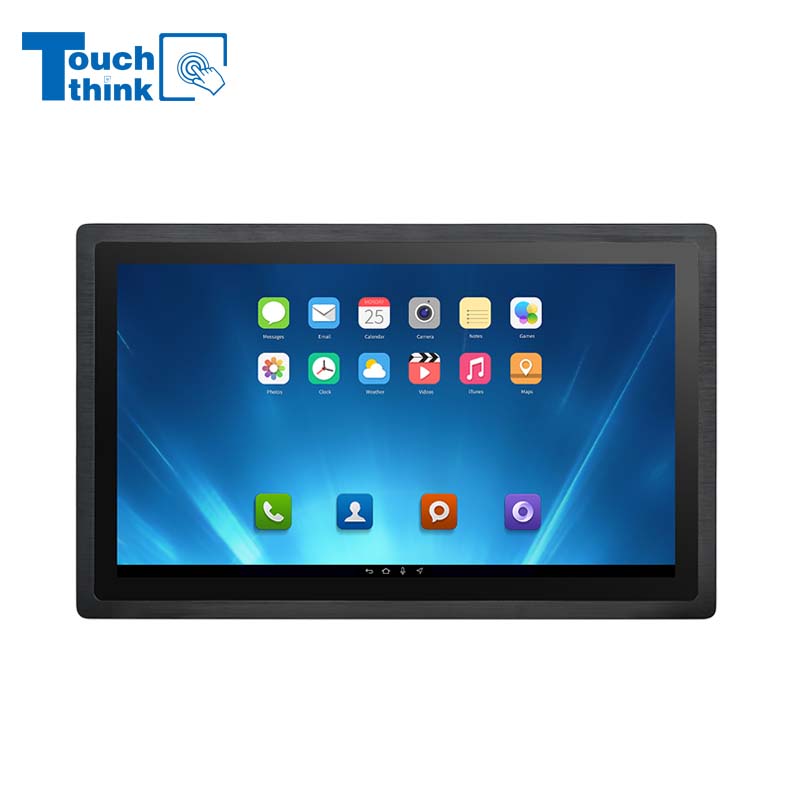
23.8 Inch Industrial Panel PC, Slim Ultra-Thin Design, Multiple I/O Ports, Rugged Touch Computer for IIoT VIEW MORE
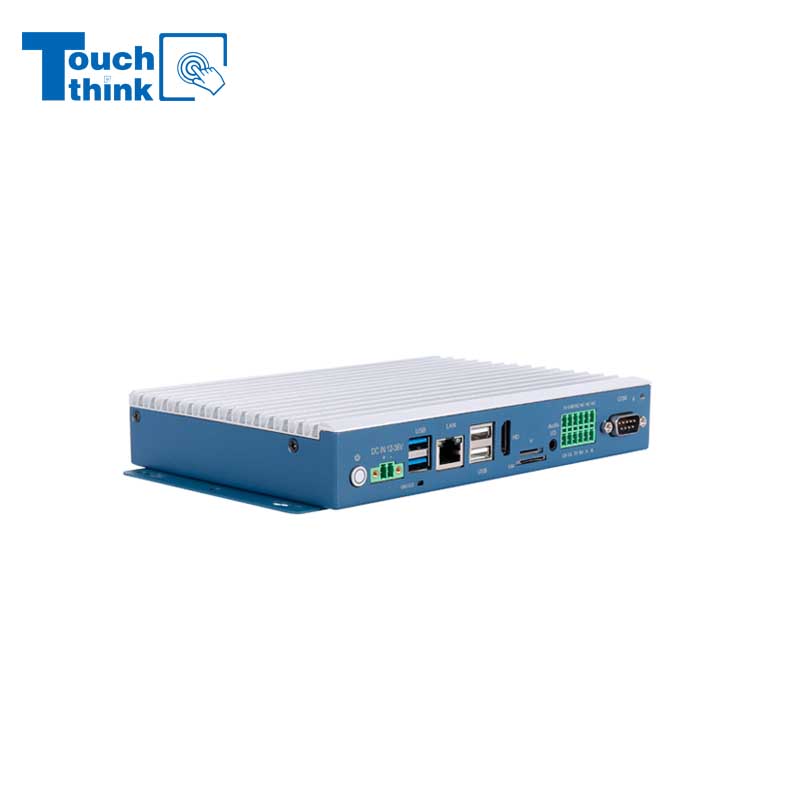
Embedded Fanless Computer ARM Cortex-A55 Quad-Core 64-bit Computers with 1TOPS NPU and Wi-Fi 6 Capabilities VIEW MORE
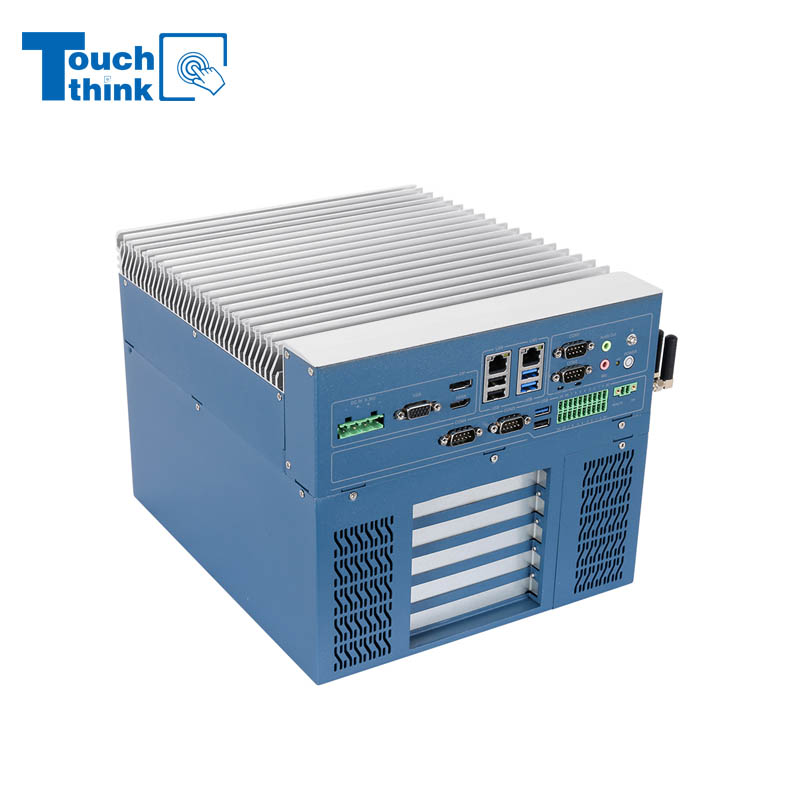
High Expandability Industrial Embedded PC with Expansion Slots PCIex16 PCIex4 9 to 36V Input VIEW MORE
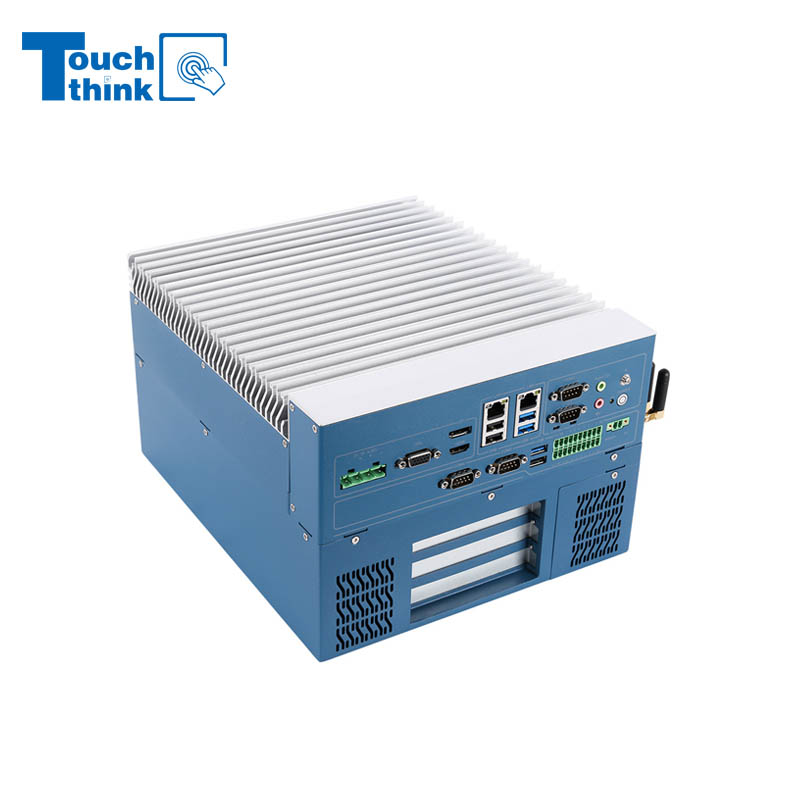
Modular Embedded Computer with Intel® Core 12/13/14th-Gen Processor 2.5GbE LAN VIEW MORE
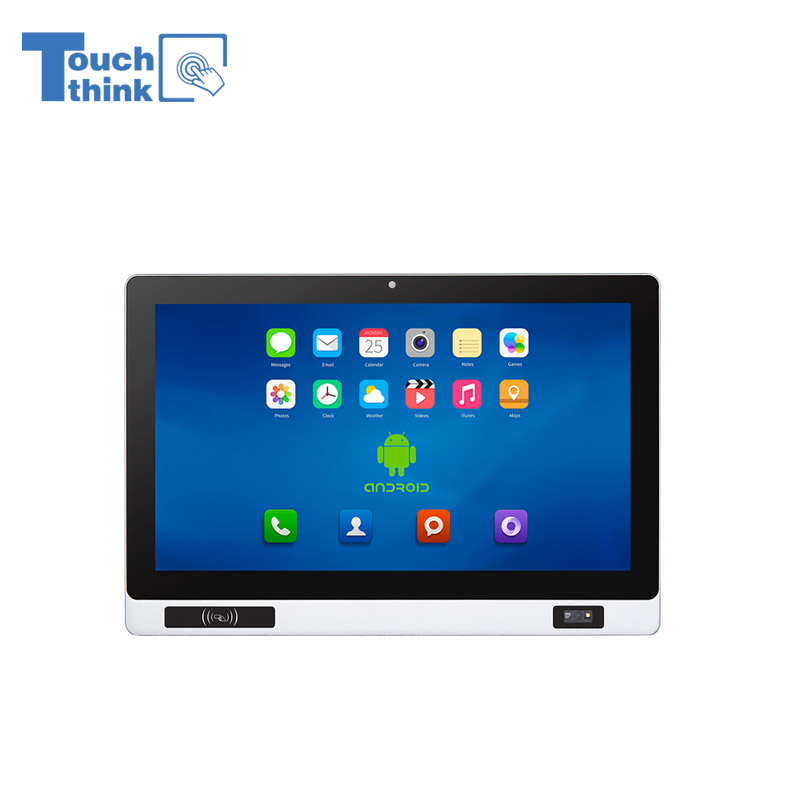
Industrial Panel PC with NFC and QR Code Scanning Functions for Smart Factory VIEW MORE
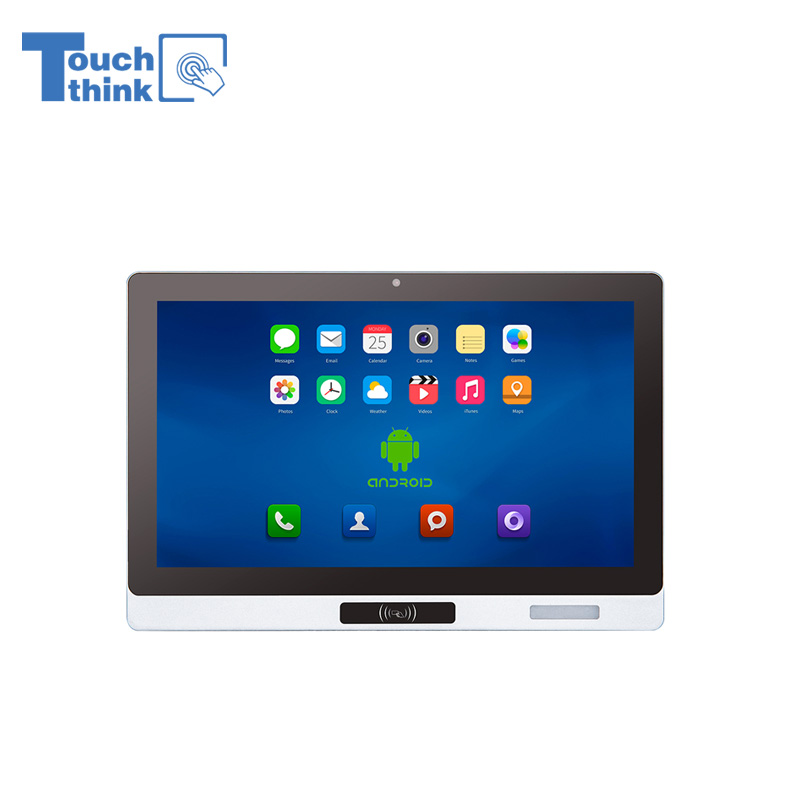
All-in-One Android Panel PCs with NFC/Camera For MES System in Digital Factory 24/7 Use VIEW MORE
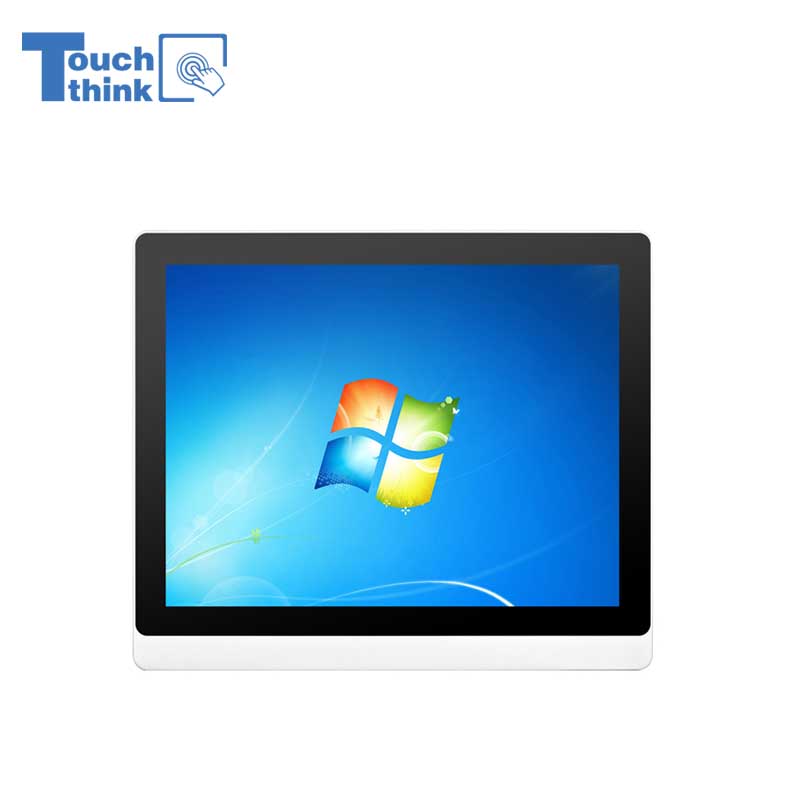
VESA Mount Industrial Touch Panel PC with i3 i5 i7 Processor Desktop Computer 8GB DDR4 128GB SSD VIEW MORE
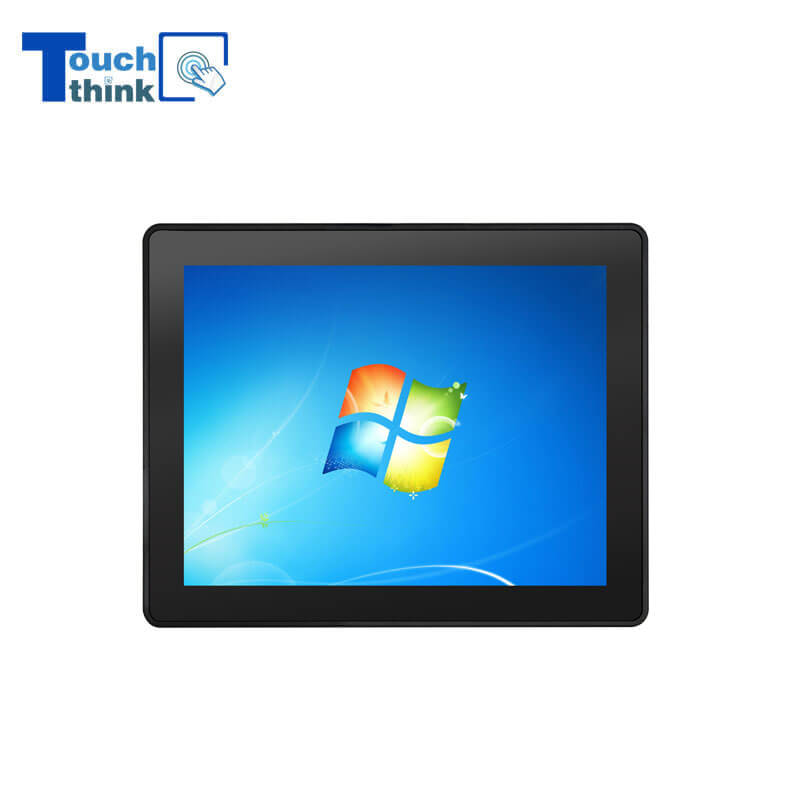
Rugged IP65 Industrial Touchscreen Computer Industrial HMI Panel PC VIEW MORE

8 inch Facial Recognition Terminal For Turnstile Access Control VIEW MORE
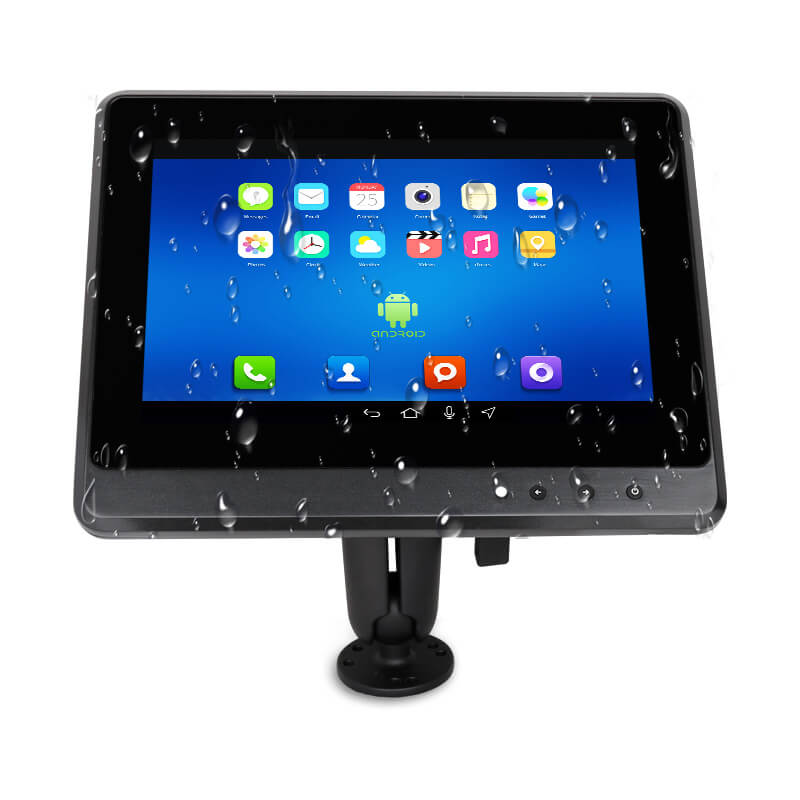
Android In-Vehicle Industrial Panel PC Vehicle AGV Computer VIEW MORE

Copyright © Shenzhen Touch Think Intelligence Co.,Ltd. All Rights Reserved Update cookies preferences