E-mail: touchtec@sztouchtec.com


What Is an Industrial Monitor?
An industrial monitor is a rugged display solution specifically designed for use in harsh and demanding environments such as factories, automation systems, control rooms, and outdoor or semi-outdoor installations. Unlike consumer-grade displays, industrial monitors are engineered for 24/7 continuous operation, enhanced durability, and long-term availability, making them a critical component in industrial HMI (Human Machine Interface) systems.
Industrial monitors are widely used in manufacturing, energy, transportation, smart agriculture, and industrial IoT applications where stability, visibility, and environmental resistance are essential.
Key Features of Industrial Monitors
Industrial-Grade Mechanical Design
Industrial monitors are built with robust metal housings, typically aluminum or steel, to provide superior resistance to vibration, shock, dust, and electromagnetic interference. Many models feature fanless designs, improving reliability by eliminating moving parts and reducing maintenance requirements.
Front panels are often rated IP65, protecting the display from water splashes and dust ingress when mounted on machinery or control cabinets.
High-Brightness and Wide Viewing Angle Displays
To ensure excellent readability in various lighting conditions, industrial monitors support:
- Screen sizes from 7 inch to 32 inch
- High brightness levels ranging from 220 nits to over 1500 nits
- Wide viewing angles using industrial-grade LCD panels
These features make industrial monitors suitable for both indoor factory floors and semi-outdoor environments where ambient light is a concern.
Industrial Touch Screen Technology
Industrial monitors commonly support multiple touch technologies, including:
1. Projected capacitive (PCAP) touch for multi-touch interaction
2. Resistive touch for glove operation and harsh environments
3. Non-touch: mouse control
Touch panels are engineered for durability, offering long lifespans and stable performance even under frequent use.
Flexible Installation and Mounting Options
Industrial monitors are designed to integrate seamlessly into different systems and enclosures. Common mounting options include:
1. Panel mount for control cabinets and machines
2. VESA mount for arms and brackets
3. Wall mount for industrial workstations
4. Embedded and rear-mount designs for customized equipment
This flexibility simplifies system integration and supports a wide range of industrial applications.
Wide Temperature and Voltage Support
To operate reliably in challenging environments, industrial monitors typically support:
1. Wide operating temperature ranges (e.g., -10°C to 60°C or wider)
2. Wide voltage input (such as 12–36V DC)
3. Built-in protection against over-voltage, ESD, and EMI/EMC interference
These features ensure stable operation in environments with fluctuating power conditions and temperature extremes.
Rich Industrial Interface Support
Industrial monitors provide multiple industrial-grade video input options to ensure compatibility with various control systems, including HDMI, VGA, DVI, DisplayPort, and optional BNC for legacy systems. This versatility allows seamless integration with PLCs, industrial PCs, and embedded controllers.
Typical Applications of Industrial Monitors
Industrial monitors are widely deployed across multiple industries, including:
● Factory automation and production lines
● CNC machines and machine tools
● Industrial HMI and SCADA systems
● Smart manufacturing and Industry 4.0
● Transportation and logistics control systems
● Energy management and power distribution
● Smart agriculture and environmental monitoring
Industrial Monitor vs Commercial Monitor
Compared to commercial displays, industrial monitors offer:
1. Longer product lifecycle and supply stability
2. Higher resistance to environmental stress
3. 24/7 continuous operation capability
4. Industrial certifications and compliance
5. Lower total cost of ownership over time
These advantages make industrial monitors the preferred choice for mission-critical industrial systems.
Customization and OEM/ODM Capabilities
Industrial monitor manufacturers often provide OEM and ODM services, take Touch Think company as an example, including:
1. Custom screen sizes and resolutions
2. High-brightness or sunlight-readable panels
3. Custom front bezels and housing designs
4. Logo branding and interface customization
Customization ensures the monitor meets specific project requirements and integrates seamlessly into existing systems.
How to Choose the Right Industrial Monitor
When selecting an industrial monitor, please consider the following points:
1. Operating environment (temperature, dust, humidity)
2. Required screen size and brightness
3. Touch technology preferences
4. Mounting method and space constraints
5. Interface compatibility with existing systems
Choosing the right industrial monitor ensures long-term reliability and optimal system performance.
Conclusion
An industrial monitor is a vital component for modern industrial systems, delivering reliable visual performance in demanding environments. With rugged construction, flexible mounting options, high-brightness displays, and long-term availability, industrial monitors provide a dependable solution for HMI and industrial visualization applications. Selecting the right industrial monitor helps ensure operational stability, efficiency, and scalability for industrial projects.
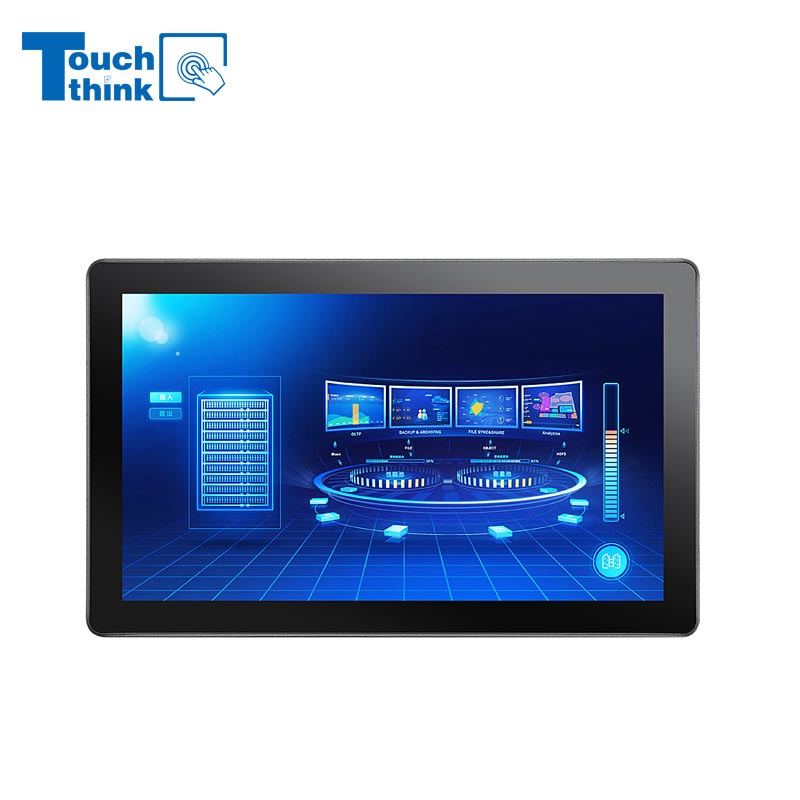
7 inch to 32 inch Options Rear Mount Wide Temperature 24/7 Operation Industrial LCD Monitor VIEW MORE
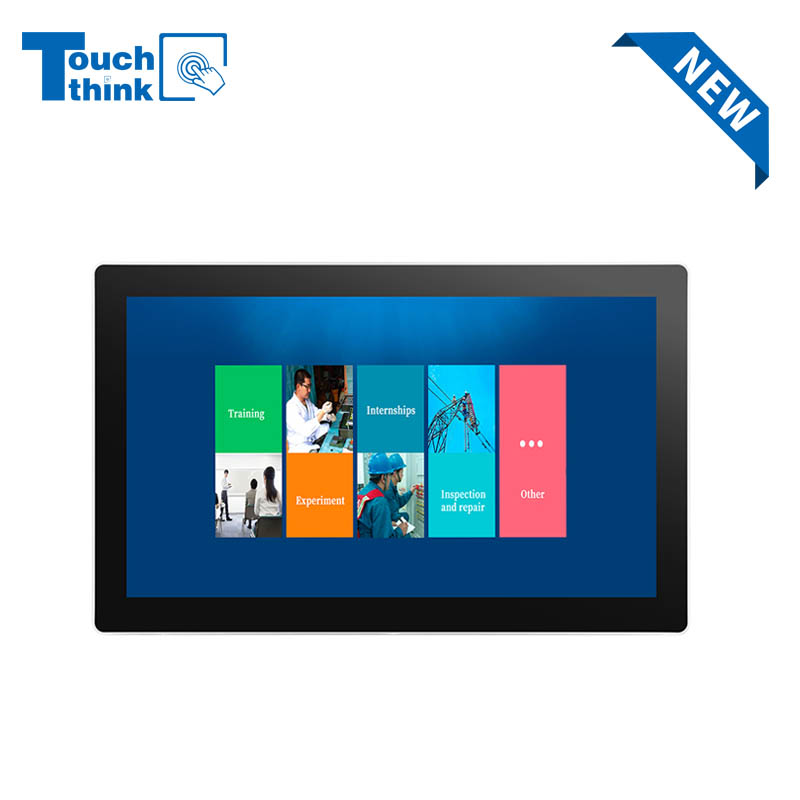
IP65 Wall-Mounted Industrial Touch Screen Monitor | Waterproof HMI Display VIEW MORE
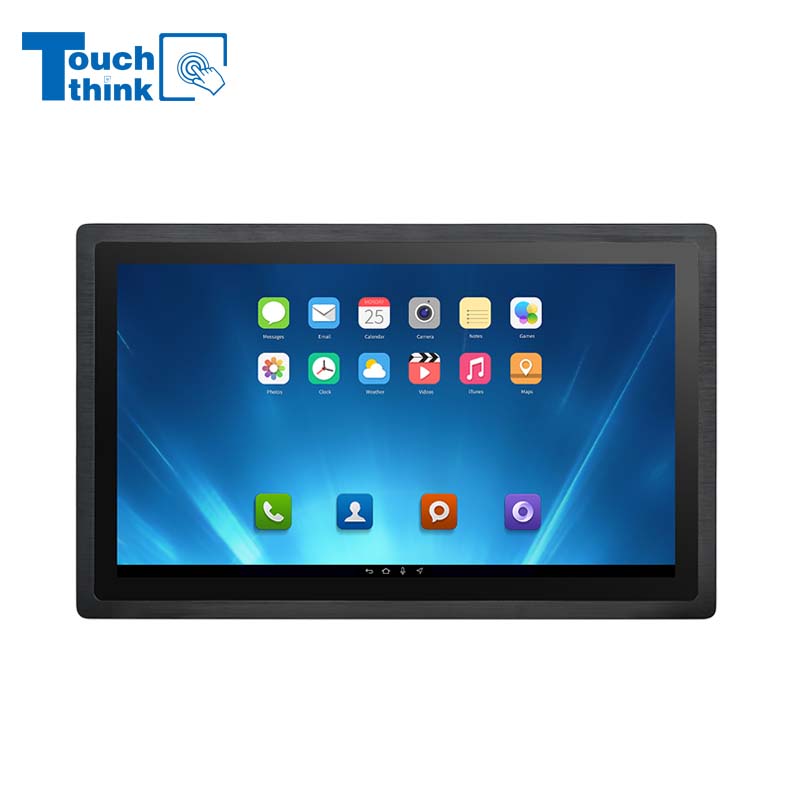
23.8 Inch Industrial Panel PC, Slim Ultra-Thin Design, Multiple I/O Ports, Rugged Touch Computer for IIoT VIEW MORE
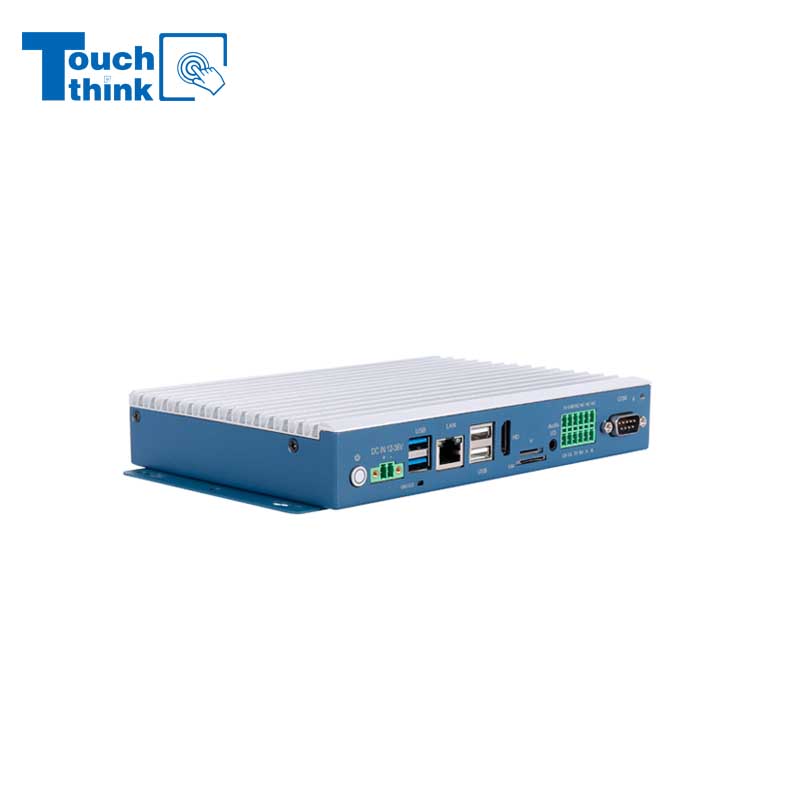
Embedded Fanless Computer ARM Cortex-A55 Quad-Core 64-bit Computers with 1TOPS NPU and Wi-Fi 6 Capabilities VIEW MORE
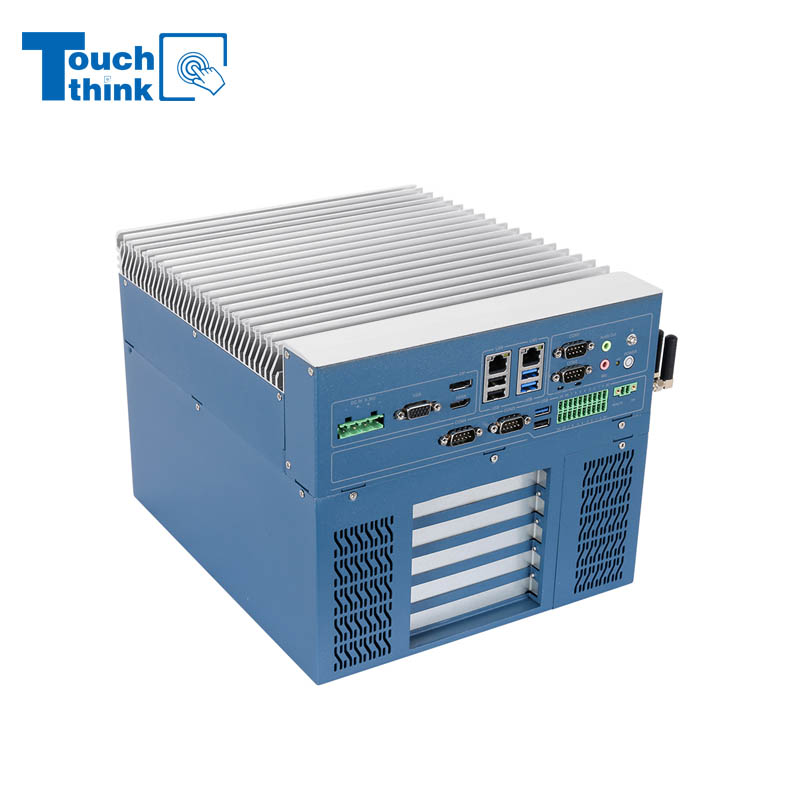
High Expandability Industrial Embedded PC with Expansion Slots PCIex16 PCIex4 9 to 36V Input VIEW MORE
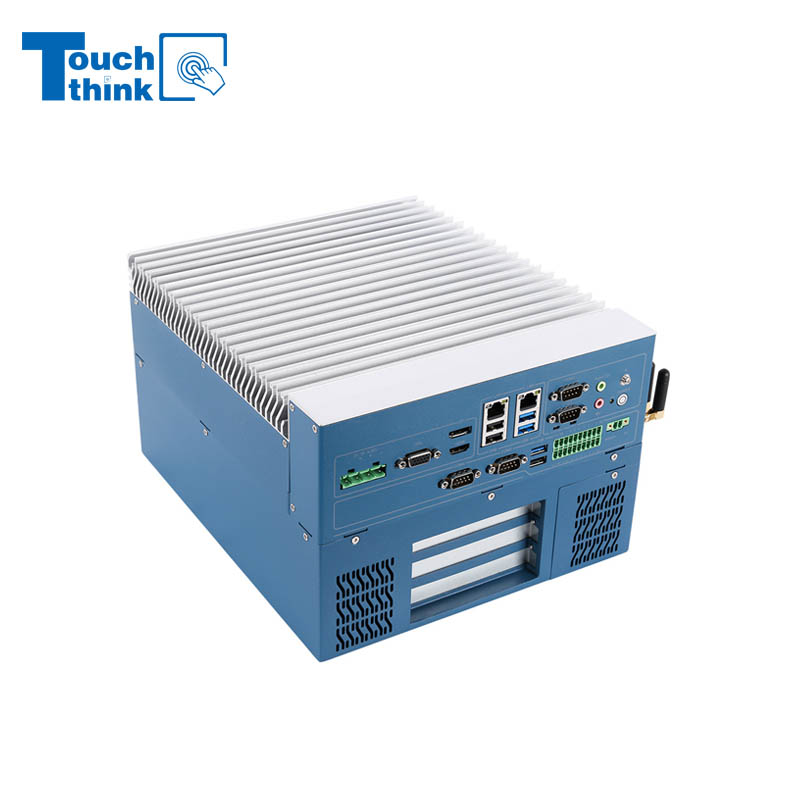
Modular Embedded Computer with Intel® Core 12/13/14th-Gen Processor 2.5GbE LAN VIEW MORE
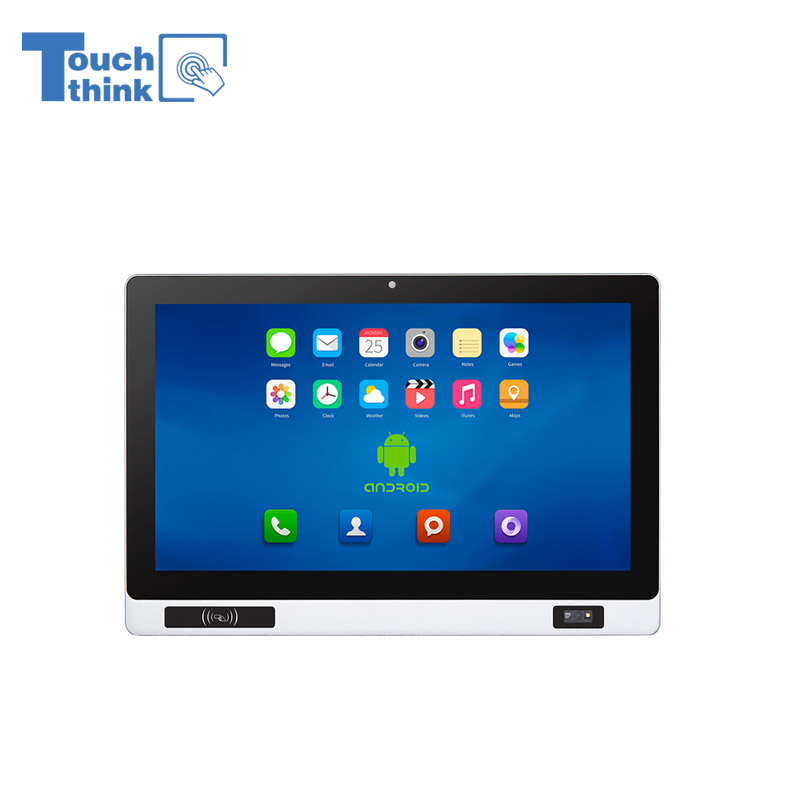
Industrial Panel PC with NFC and QR Code Scanning Functions for Smart Factory VIEW MORE
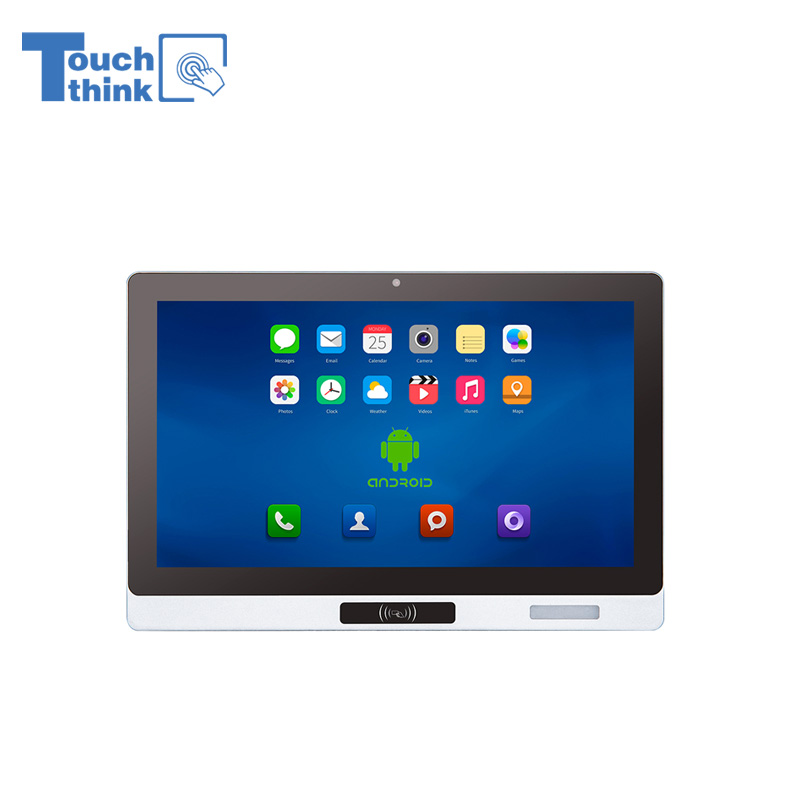
All-in-One Android Panel PCs with NFC/Camera For MES System in Digital Factory 24/7 Use VIEW MORE
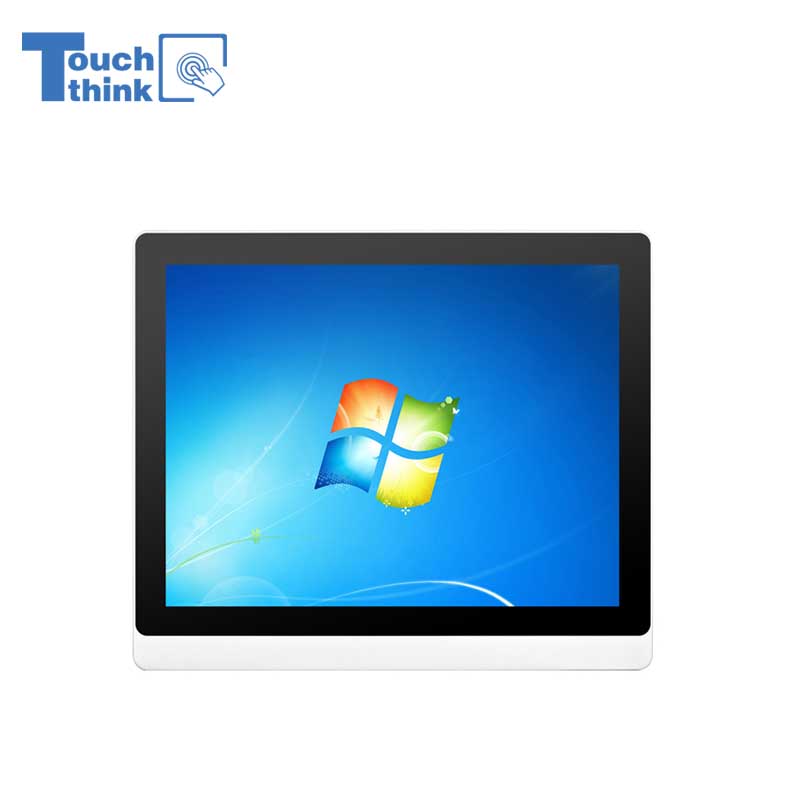
VESA Mount Industrial Touch Panel PC with i3 i5 i7 Processor Desktop Computer 8GB DDR4 128GB SSD VIEW MORE
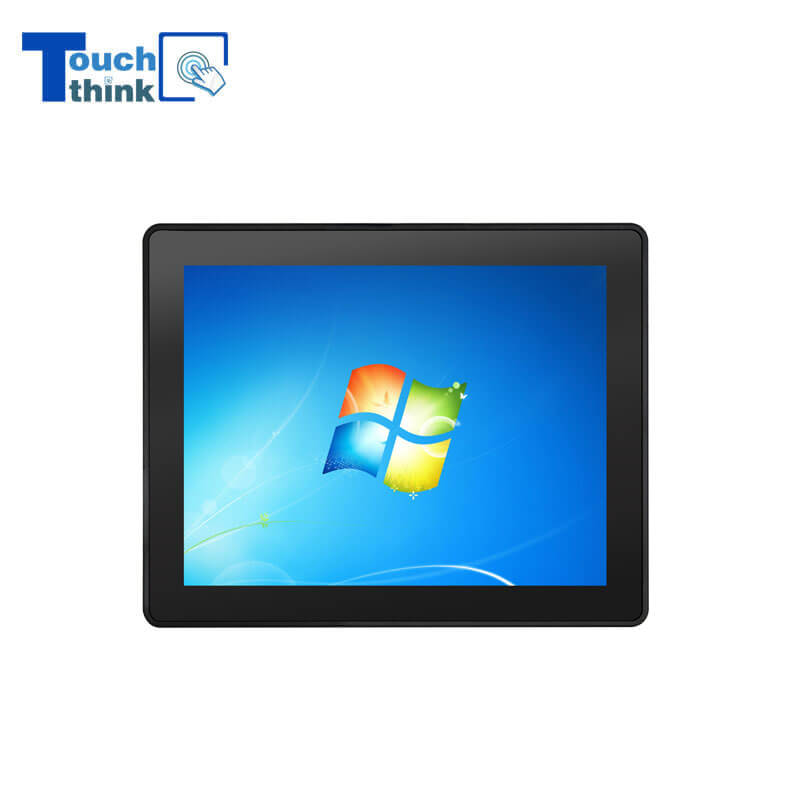
Rugged IP65 Industrial Touchscreen Computer Industrial HMI Panel PC VIEW MORE
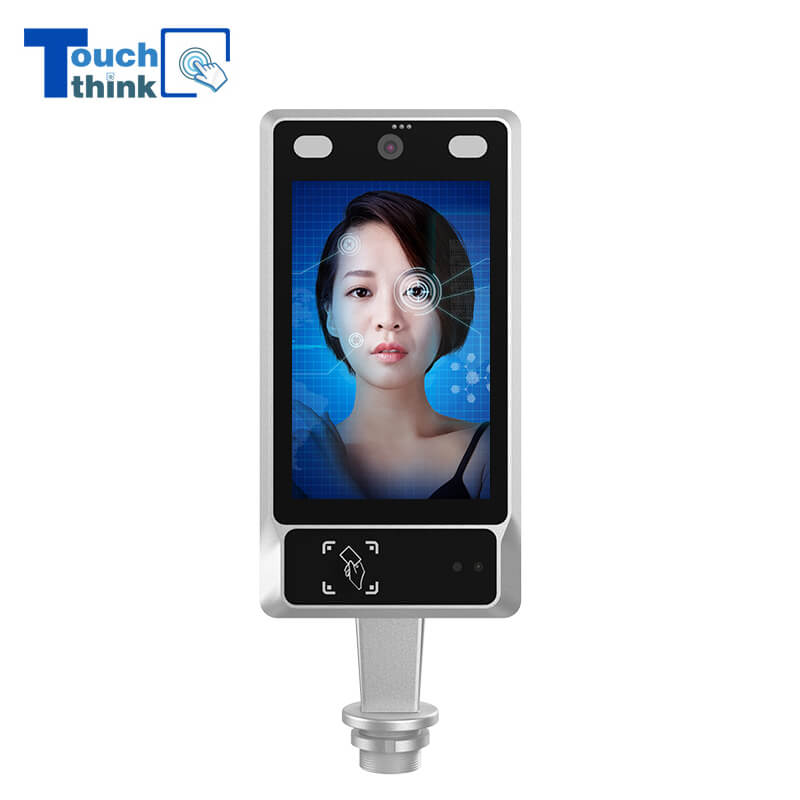
8 inch Facial Recognition Terminal For Turnstile Access Control VIEW MORE
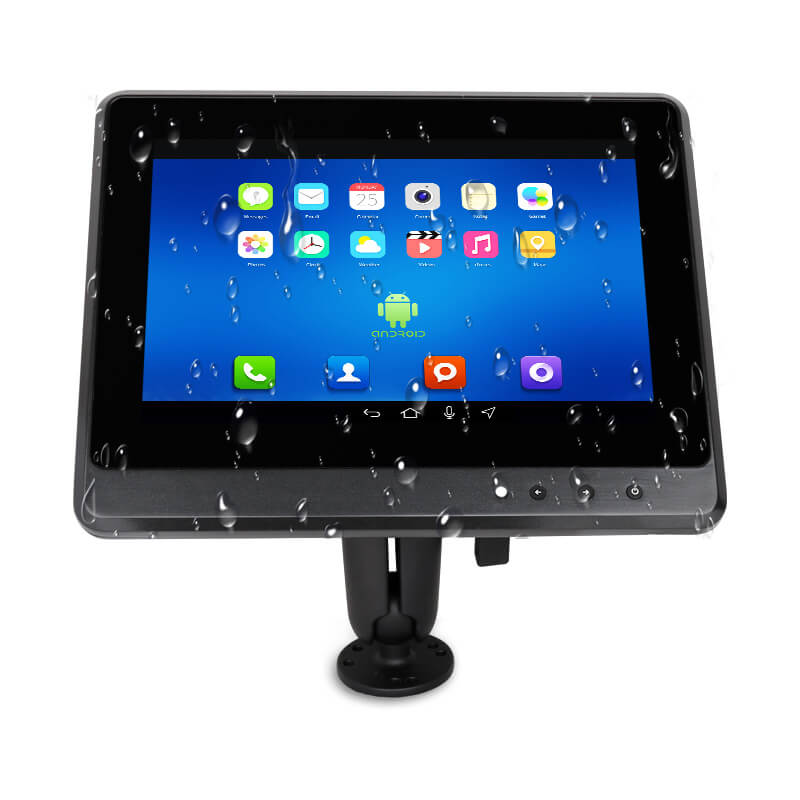
Android In-Vehicle Industrial Panel PC Vehicle AGV Computer VIEW MORE

Copyright © Shenzhen Touch Think Intelligence Co.,Ltd. All Rights Reserved Update cookies preferences