E-mail: touchtec@sztouchtec.com


Medical and laboratory equipment demand exceptional reliability, long product lifecycles, and stable performance. From diagnostic analyzers and imaging systems to laboratory automation and patient monitoring devices, the embedded computing platform must operate continuously, accurately, and safely.
Industrial motherboards are specifically engineered to meet these requirements, making them the preferred foundation for modern medical and laboratory systems.
This article explains why industrial motherboards are critical in medical applications, what features to look for, and how to select the right platform for healthcare and laboratory equipment.
Why Medical and Laboratory Equipment Require Industrial Motherboards
Unlike consumer or commercial-grade motherboards, medical and laboratory systems operate in mission-critical environments where failure is not an option. Equipment often runs 24/7, interfaces with precision instruments, and must remain available for many years without redesign.
Industrial motherboards are designed to address these challenges by offering:
1. Long-term supply and lifecycle stability
2. High reliability with industrial-grade components
3. Continuous operation under controlled or semi-harsh conditions
4. Flexible I/O for legacy and modern medical devices
These characteristics make industrial motherboards ideal for medical device OEMs, laboratory equipment manufacturers, and system integrators.
Key Applications in Medical and Laboratory Environments
Industrial motherboards are widely used across a range of healthcare and laboratory systems, including:
1. Medical Equipment Applications
2. Diagnostic and imaging systems
3. Patient monitoring devices
4. Medical workstations and control units
5. Clinical analyzers and testing equipment
6. Medical kiosks and healthcare terminals
7. Laboratory Equipment Applications
8. Laboratory automation systems
9. Sample analysis and processing equipment
10. Environmental and chemical analyzers
11. Research instrumentation
12. Data acquisition and control platforms
Each of these applications requires stable computing performance, reliable connectivity, and long-term availability, which industrial motherboards are designed to deliver.
Key Features of Industrial Motherboards for Medical Equipment
1. Long Lifecycle and Product Continuity
Medical and laboratory equipment often remains in service for 5–10 years or longer. Industrial motherboards are manufactured with extended lifecycle programs, minimizing the risk of component obsolescence and redesign.
2. High Reliability for 24/7 Operation
Industrial motherboards are built using industrial-grade components, such as solid capacitors and reinforced PCB designs. They are validated for continuous operation, reducing downtime in critical healthcare environments.
3. Fanless and Low-Power Design
Many medical and laboratory systems require silent, dust-free operation, especially in clean or controlled environments. Fanless industrial motherboards paired with low-power CPUs reduce mechanical failure points and maintenance requirements.
4. Flexible CPU and Architecture Options
Industrial motherboards for medical applications are available with both x86 and ARM architectures, allowing OEMs to choose the most suitable platform.
a. X86 Industrial Motherboards: Ideal for imaging systems, data-intensive applications, and compatibility with Windows-based medical software.
b. ARM Industrial Motherboards: Preferred for low-power medical devices, portable systems, and embedded laboratory instruments.
5. Rich I/O for Medical and Laboratory Devices
Medical and laboratory equipment often relies on a mix of legacy and modern interfaces. Industrial motherboards provide extensive I/O options to ensure seamless integration.
Typical interfaces include:
1. Multiple USB ports for sensors and peripherals
2. RS232 / RS422 / RS485 for laboratory instruments
3. Dual or multiple LAN ports for network redundancy
4. PCIe, Mini-PCIe, and M.2 for expansion modules
5. GPIO for custom control and triggering
6. System Security and Data Protection
Data integrity and system security are increasingly important in healthcare environments. Many industrial motherboards support TPM (Trusted Platform Module), Secure boot, BIOS-level customization, and protection. These features help safeguard medical data and system operation.
Operating System Compatibility
Industrial motherboards for medical and laboratory equipment typically support a wide range of operating systems, including Windows 10 / 11 IoT Enterprise, and Linux distributions such as Ubuntu, Debian, and Yocto, and also support customized embedded OS solutions
This flexibility allows medical OEMs to maintain software compatibility across multiple product generations.
Compliance and Regulatory Considerations
While the motherboard itself may not be certified as a medical device, industrial motherboards are designed to support system-level compliance by offering:
- Stable electrical design
- EMC-conscious layout
- Long-term documentation availability
These characteristics simplify the certification process for medical and laboratory equipment manufacturers.
How to Choose the Right Industrial Motherboard for Medical Applications
When selecting an industrial motherboard for medical or laboratory equipment, consider the following factors:
1. Lifecycle availability – Ensure long-term supply and support
2. Reliability requirements – Confirm 24/7 operation capability
3. Thermal and power design – Fanless or low-power solutions
4. I/O and expansion needs – Match current and future device interfaces
5. OS and software compatibility – Support for required medical software
6. Security features – TPM, secure boot, and BIOS protection
A well-chosen industrial motherboard reduces the total cost of ownership and ensures long-term system stability.
Conclusion
Industrial motherboards play a critical role in the reliability, longevity, and performance of medical and laboratory equipment. With long lifecycle support, industrial-grade reliability, flexible I/O, and compatibility with medical software platforms, they provide a stable foundation for healthcare and laboratory systems.
For medical OEMs and system integrators, choosing the right industrial motherboard is not only a technical decision—it is a strategic investment in product quality, compliance, and long-term success.
7 inch to 32 inch Options Rear Mount Wide Temperature 24/7 Operation Industrial LCD Monitor VIEW MORE
IP65 Wall-Mounted Industrial Touch Screen Monitor | Waterproof HMI Display VIEW MORE
23.8 Inch Industrial Panel PC, Slim Ultra-Thin Design, Multiple I/O Ports, Rugged Touch Computer for IIoT VIEW MORE
Embedded Fanless Computer ARM Cortex-A55 Quad-Core 64-bit Computers with 1TOPS NPU and Wi-Fi 6 Capabilities VIEW MORE
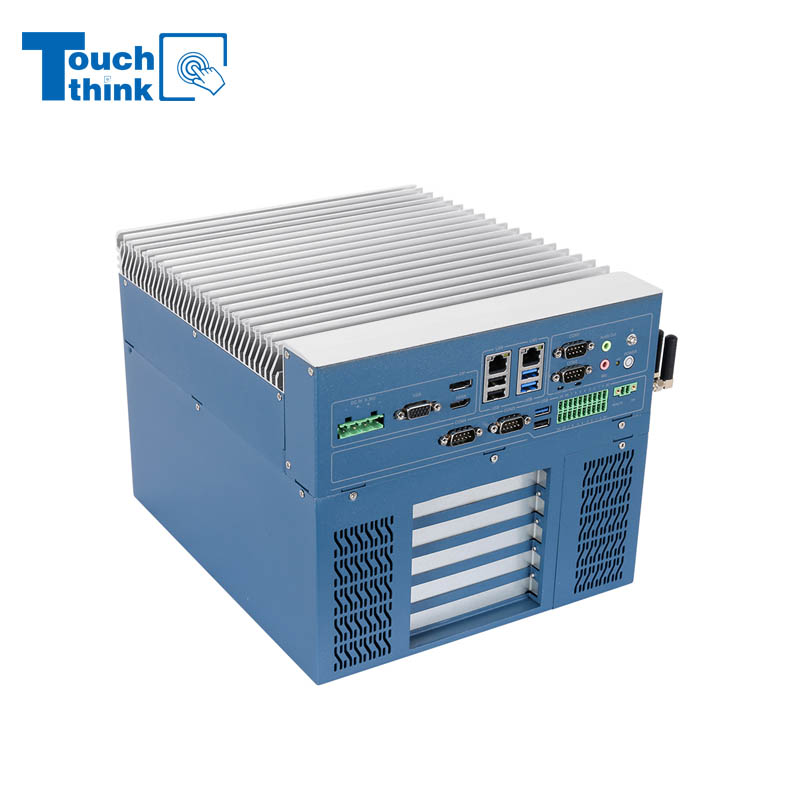
High Expandability Industrial Embedded PC with Expansion Slots PCIex16 PCIex4 9 to 36V Input VIEW MORE
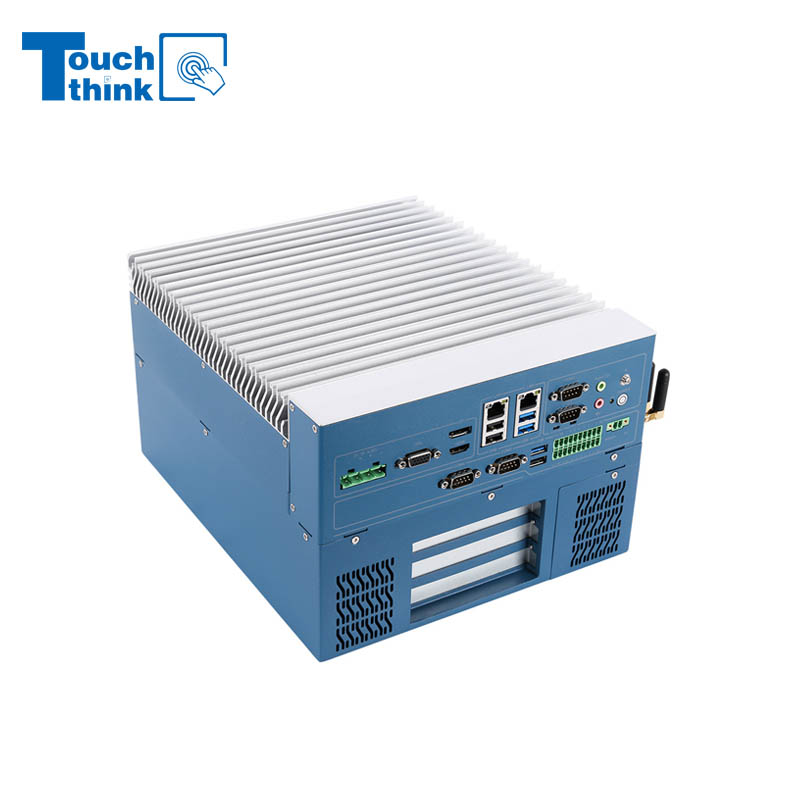
Modular Embedded Computer with Intel® Core 12/13/14th-Gen Processor 2.5GbE LAN VIEW MORE
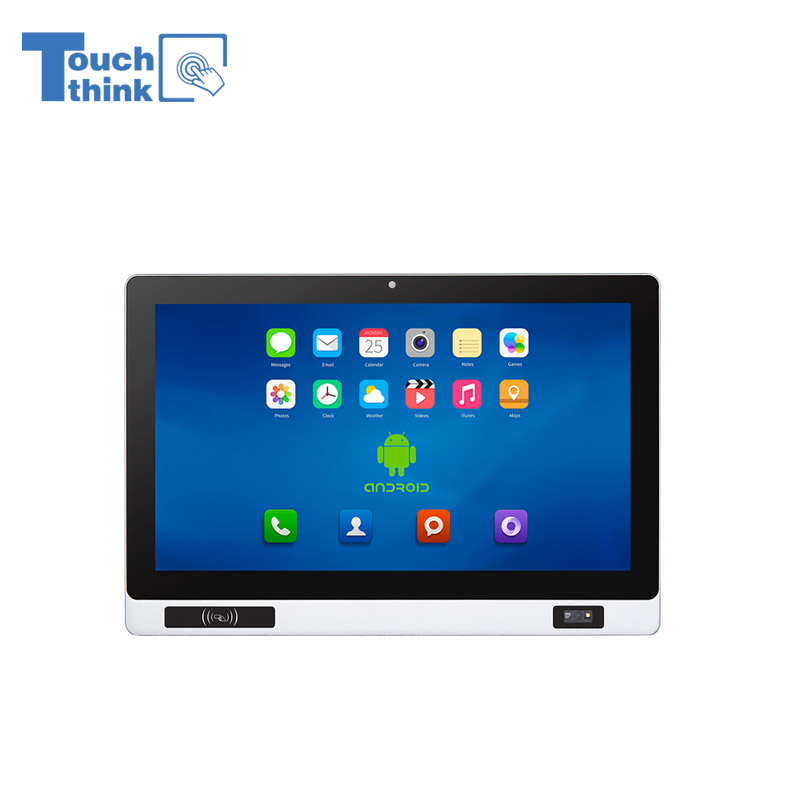
Industrial Panel PC with NFC and QR Code Scanning Functions for Smart Factory VIEW MORE
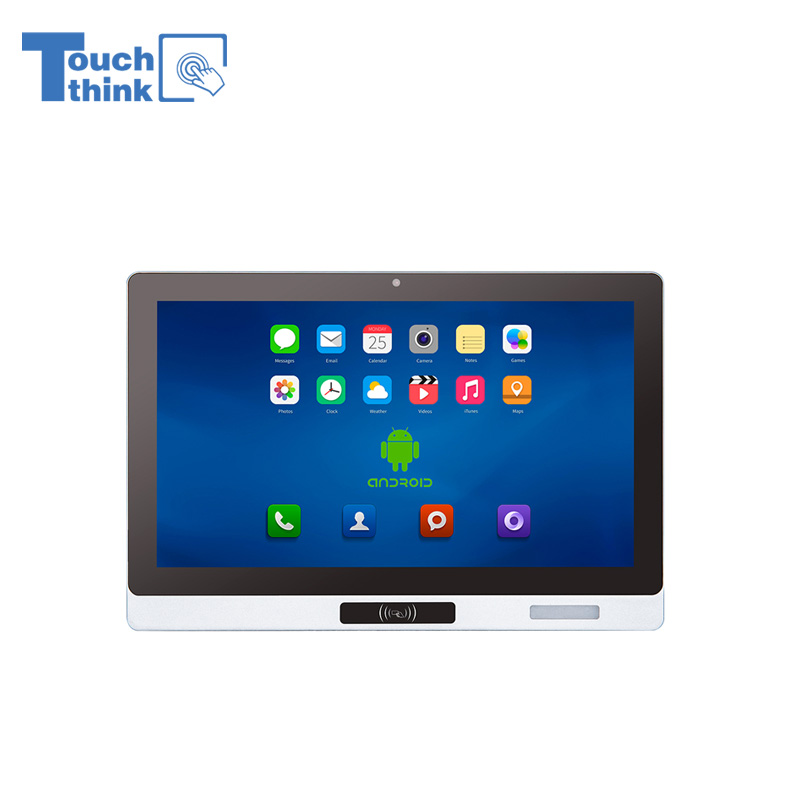
All-in-One Android Panel PCs with NFC/Camera For MES System in Digital Factory 24/7 Use VIEW MORE
VESA Mount Industrial Touch Panel PC with i3 i5 i7 Processor Desktop Computer 8GB DDR4 128GB SSD VIEW MORE
Rugged IP65 Industrial Touchscreen Computer Industrial HMI Panel PC VIEW MORE

8 inch Facial Recognition Terminal For Turnstile Access Control VIEW MORE
Android In-Vehicle Industrial Panel PC Vehicle AGV Computer VIEW MORE

Copyright © Shenzhen Touch Think Intelligence Co.,Ltd. All Rights Reserved Update cookies preferences