E-mail: touchtec@sztouchtec.com


Power efficiency has become a critical design consideration in modern industrial equipment. Many devices, such as industrial HMIs, IoT gateways, smart terminals, and embedded controllers, operate continuously for long periods, often in environments where thermal management and energy consumption must be carefully controlled.
This is why manufacturers are increasingly adopting low-power industrial motherboards based on ARM architecture. Compared with traditional computing platforms, ARM-based solutions deliver excellent performance while maintaining significantly lower power consumption.
An ARM embedded system designed for power efficiency can reduce operational costs, improve device reliability, and enable fanless designs that are ideal for industrial environments. This article explores how ARM-based embedded motherboards achieve these advantages and why they are becoming the preferred platform for energy-efficient industrial devices.
What Is a Low Power Industrial Motherboard?
A low-power industrial motherboard is an embedded computing platform specifically designed to minimize energy consumption while maintaining stable performance. These boards are commonly used in industrial systems that must operate 24/7 without interruption.
Typical characteristics include:
a. Energy-efficient processors such as ARM Cortex-A series CPUs
b. Optimized power management architecture
c. Support for fanless cooling designs
d. Compact embedded form factors
e. Long lifecycle availability for industrial deployment
These features make low-power embedded boards particularly suitable for industrial automation, IoT edge computing, and smart display terminals.
ARM Architecture and Power Efficiency
One of the main reasons for the popularity of ARM platforms in embedded devices is their power-efficient processor architecture.
Reduced Instruction Set Computing (RISC)
ARM processors use a Reduced Instruction Set Computing (RISC) architecture, which simplifies instruction processing and reduces the number of cycles required for execution. This streamlined design allows ARM processors to perform tasks efficiently while consuming less power.
Energy-Efficient Multi-Core Design
Modern ARM processors often use multi-core architectures, such as quad-core Cortex-A processors, enabling efficient multitasking while maintaining low power consumption. Instead of relying on high clock speeds, ARM CPUs distribute workloads across cores, improving efficiency.
Optimized Performance per Watt
ARM processors are widely known for delivering high performance per watt, meaning they provide sufficient computing power while minimizing energy usage. This characteristic makes them ideal for embedded industrial systems where power and heat management are critical.
Advanced Power Management Technologies
Another key factor contributing to ARM embedded system power efficiency is the use of advanced power management technologies integrated into ARM-based platforms.
Dynamic Voltage and Frequency Scaling (DVFS)
DVFS automatically adjusts the processor's voltage and frequency depending on the workload. When system demand is low, the CPU reduces its operating frequency to conserve power.
Benefits include:
a. Lower energy consumption
b. Reduced heat generation
c. Improved hardware lifespan
d. Power Gating and Sleep Modes
ARM-based motherboards typically support multiple low-power states, allowing inactive components to enter sleep or standby modes. When the system detects activity, it quickly restores full performance.
This capability is especially important for IoT devices and remote industrial systems that experience intermittent workloads.
Fanless Design and Thermal Efficiency
High power consumption often leads to increased heat generation, which requires active cooling systems such as fans. However, fans can introduce several challenges in industrial environments, such as dust accumulation, mechanical failure, and increased maintenance.
Because ARM platforms consume less power, many low-power industrial motherboards can operate using fanless cooling systems. Passive cooling solutions improve device reliability and reduce maintenance costs, making them ideal for harsh industrial conditions.
Lower Operational Costs for Industrial Systems
Energy efficiency has a direct impact on the total cost of ownership (TCO) for industrial equipment.
When a device runs continuously, even small reductions in power consumption can lead to significant savings over time. By using ARM-based embedded motherboards, manufacturers and system operators can achieve lower electricity consumption, reduced cooling requirements, longer hardware lifespan, and lower maintenance costs.
For large-scale deployments such as smart kiosks, digital signage networks, or industrial monitoring terminals, these savings become even more substantial.
Typical Applications of Low-Power ARM Embedded Systems
Due to their excellent power efficiency and stability, ARM-based embedded motherboards are widely used across various industries.
Industrial Human-Machine Interfaces (HMI)
ARM platforms power modern touch-based HMI panels, providing responsive interfaces while maintaining low energy consumption.
IoT Edge Devices
Edge computing devices often operate in remote locations where power availability may be limited. ARM embedded systems offer efficient processing while minimizing energy usage.
Smart Retail and Self-Service Kiosks
Retail terminals such as self-checkout systems, ticket machines, and vending kiosks require reliable 24/7 operation with minimal power consumption.
Digital Signage and Display Terminals
Many smart display systems use ARM-based embedded boards because they can efficiently handle multimedia content while consuming less energy.
Choosing the Right ARM Embedded Motherboard
When selecting a low-power industrial motherboard, several factors should be considered:
a. Processor architecture and performance
b. Power consumption levels
c. Connectivity options (WiFi, 4G, Bluetooth)
d. Operating system compatibility
e. Long-term hardware availability
A well-designed ARM embedded system optimized for power efficiency will ensure reliable performance while reducing operational costs in industrial environments.
Touch Think launched an ARM Embedded Motherboard recently, the model CLA133-A, which features Allwinner A133 Quad-Core Cortex-A53, 1.5GHz CPU, specially designed for the low power consumption and reliable performance market.
Conclusion
As industrial devices become more connected and intelligent, energy efficiency is becoming a key requirement for embedded computing platforms. ARM-based embedded motherboards offer an ideal solution by combining strong processing performance with exceptionally low power consumption.
Through efficient processor architecture, advanced power management technologies, and fanless thermal designs, these platforms significantly reduce energy usage while maintaining reliability in demanding environments.
For manufacturers building industrial IoT devices, smart terminals, or automation systems, adopting a low power industrial motherboard based on ARM architecture is an effective way to improve system efficiency and long-term operational sustainability.
7 inch to 32 inch Options Rear Mount Wide Temperature 24/7 Operation Industrial LCD Monitor VIEW MORE
IP65 Wall-Mounted Industrial Touch Screen Monitor | Waterproof HMI Display VIEW MORE
23.8 Inch Industrial Panel PC, Slim Ultra-Thin Design, Multiple I/O Ports, Rugged Touch Computer for IIoT VIEW MORE
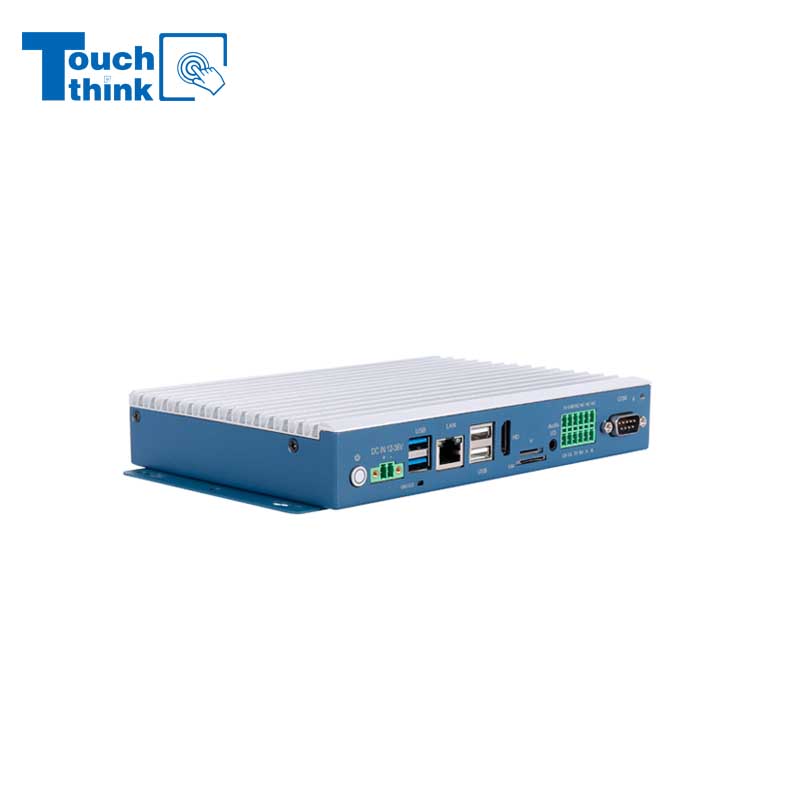
Embedded Fanless Computer ARM Cortex-A55 Quad-Core 64-bit Computers with 1TOPS NPU and Wi-Fi 6 Capabilities VIEW MORE
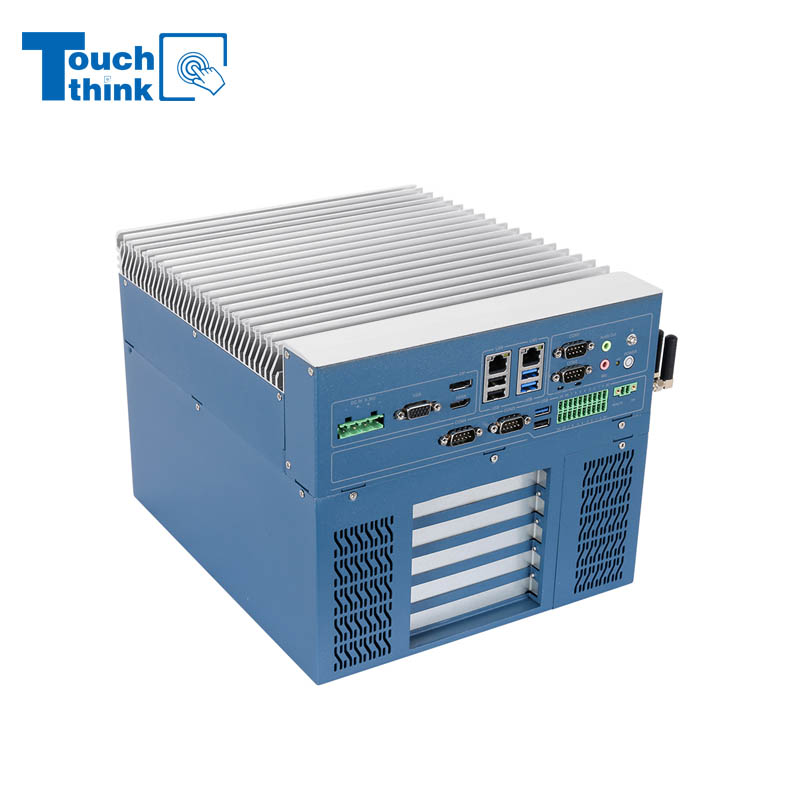
High Expandability Industrial Embedded PC with Expansion Slots PCIex16 PCIex4 9 to 36V Input VIEW MORE
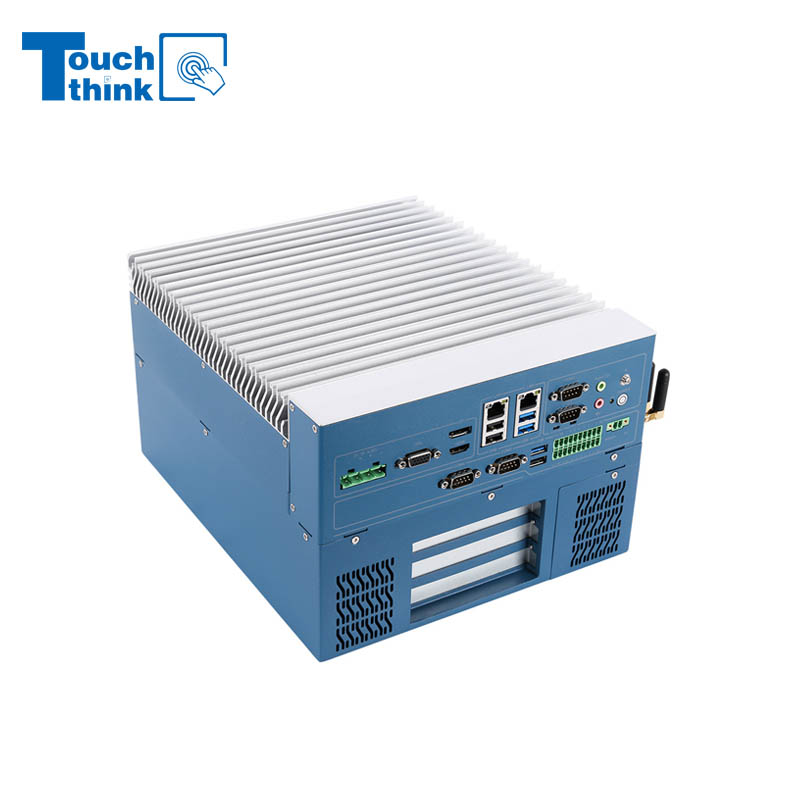
Modular Embedded Computer with Intel® Core 12/13/14th-Gen Processor 2.5GbE LAN VIEW MORE
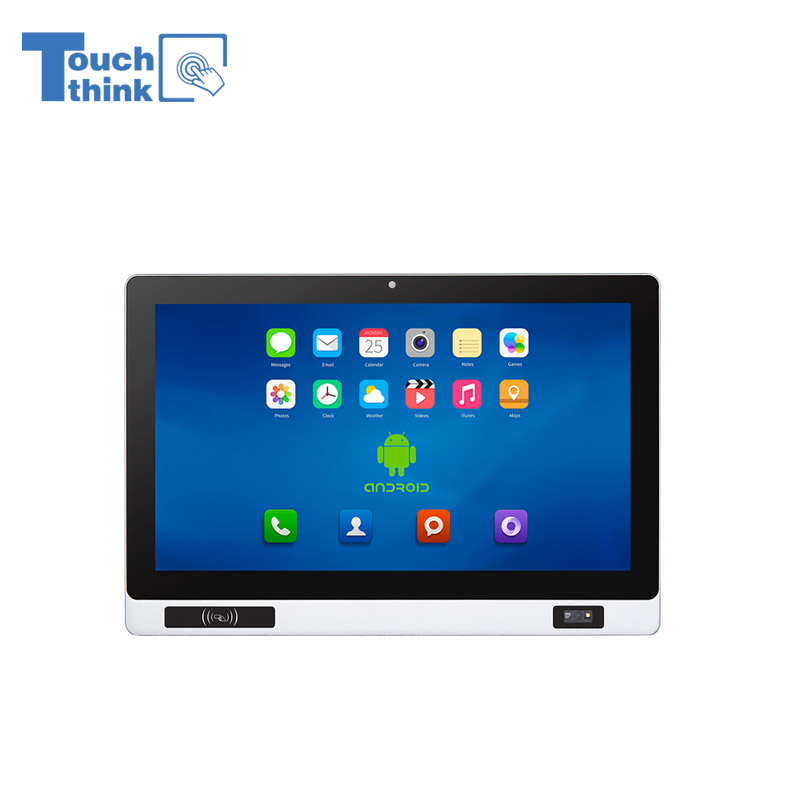
Industrial Panel PC with NFC and QR Code Scanning Functions for Smart Factory VIEW MORE
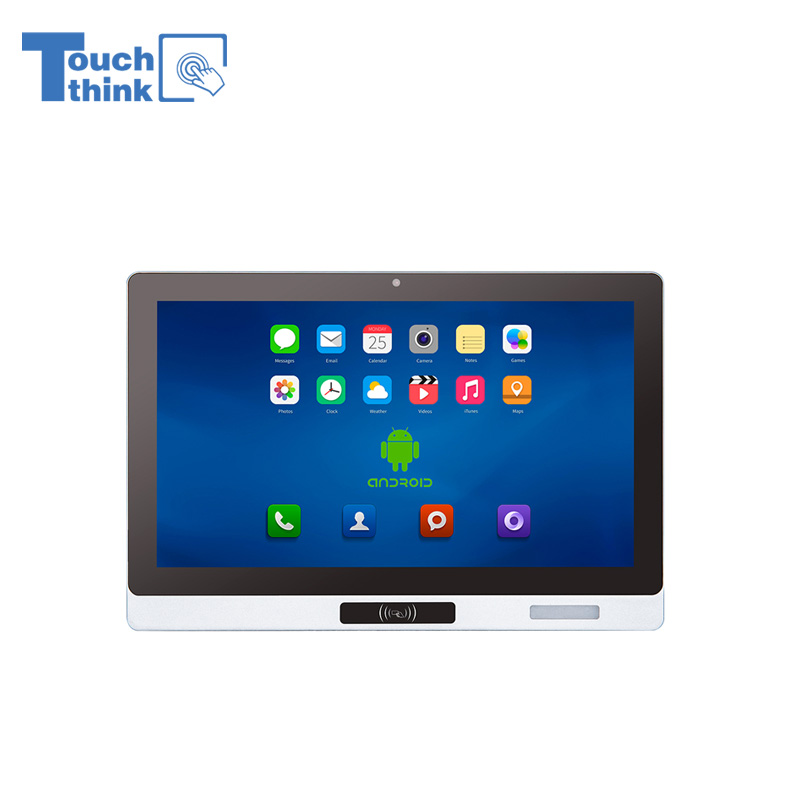
All-in-One Android Panel PCs with NFC/Camera For MES System in Digital Factory 24/7 Use VIEW MORE
VESA Mount Industrial Touch Panel PC with i3 i5 i7 Processor Desktop Computer 8GB DDR4 128GB SSD VIEW MORE
Rugged IP65 Industrial Touchscreen Computer Industrial HMI Panel PC VIEW MORE

8 inch Facial Recognition Terminal For Turnstile Access Control VIEW MORE
Android In-Vehicle Industrial Panel PC Vehicle AGV Computer VIEW MORE

Copyright © Shenzhen Touch Think Intelligence Co.,Ltd. All Rights Reserved Update cookies preferences