E-mail: touchtec@sztouchtec.com


Industrial Display Troubleshooting: Common Problems and Diagnostic Methods
Industrial displays are widely used in factory automation, machine control, transportation, energy management, self-service equipment, and other demanding environments. Unlike ordinary commercial monitors, industrial displays are often required to operate continuously for long periods while facing vibration, dust, temperature changes, electrical interference, and frequent system operation.
When an industrial display develops a problem, replacing the entire unit is not always the first or most efficient solution. A systematic troubleshooting process can help identify whether the fault is related to the power supply, display panel, backlight, signal connection, touch interface, or surrounding control system.
This article explains common industrial display problems and practical diagnostic methods that can help equipment operators and maintenance teams identify possible causes more efficiently.
When an industrial display does not power on, the first step is to check whether the correct input voltage is reaching the device.
Possible causes may include the following tems.
- Loose or damaged power cables
- Incorrect input voltage
- Power supply failure
- Damaged connectors
- Internal power circuit faults
- Unstable power from the connected industrial equipment
Use appropriate measuring equipment to verify that the actual input voltage matches the rated operating voltage of the industrial monitor.
In industrial applications, voltage instability can cause intermittent shutdowns, screen flickering, or failure to start. If the display is installed inside machinery or control cabinets, the power source should also be checked for electrical interference or voltage fluctuations.
A powered display with no visible image does not necessarily mean that the LCD panel has failed.
First, inspect the connection between the display and the host device.
Common issues include:
- Loose HDMI, VGA, DVI, or DisplayPort connections
- Damaged signal cables
- Incorrect input source selection
- Unsupported display resolution
- Communication problems between the industrial PC and monitor
Try reconnecting the signal cable and, if possible, test the display with another compatible video source.
Many industrial monitors support multiple signal interfaces. Confirm that the correct input channel is selected and that the connected industrial computer is outputting a compatible resolution and refresh rate.
Screen flickering can be caused by several different factors.
Possible causes include:
- Unstable power input
- Loose signal connections
- Electromagnetic interference
- Incorrect display settings
- Aging backlight components
- Internal circuit problems
In industrial environments, motors, drives, switching equipment, and other electrical devices may generate electromagnetic interference. If the display operates normally during testing but becomes unstable after installation, the surrounding electrical environment should be investigated.
Shielded cables, proper grounding, and improved cable routing may help reduce interference.
If the industrial display powers on but the screen appears unusually dark, the problem may be related to the backlight system.
Typical symptoms include:
- The screen image is barely visible
- Brightness gradually decreases
- The display turns on briefly and then becomes dark
- Brightness changes unexpectedly during operation
Possible causes may include backlight aging, power instability, brightness control issues, or internal hardware faults.
Before assuming that the LCD panel has failed, technicians should verify whether the display image is still present but not sufficiently illuminated.
Visual inspection remains an important part of industrial display troubleshooting.
Inspect the display for:
- Cracked glass
- Damaged touch panels
- Deformed housings
- Loose connectors
- Burn marks
- Corrosion
- Discoloration
- Damaged mounting components
Industrial displays installed in manufacturing equipment may be exposed to vibration and mechanical shock over long periods. These conditions can gradually affect connectors, solder joints, mounting hardware, and internal components.
If the problem appears after transportation, installation, or machine maintenance, checking for mechanical damage should be one of the first diagnostic steps.
For industrial touchscreen monitors, the display function and touch function should be tested separately.
A screen may display images normally while the touch function does not respond correctly.
Common touchscreen problems include:
- No touch response
- Incorrect touch position
- Intermittent touch operation
- Touch response delays
- Multi-touch failure
Possible causes may include damaged USB or serial touch connections, incorrect drivers, calibration problems, or physical damage to the touch panel.
Start by checking the touch communication cable and verifying that the operating system recognizes the touch device. If the touch coordinates are inaccurate, recalibration may be required.
For more complex touchscreen problems, the touch controller and software environment should also be checked.
Electrical measurements can help identify faults, but they should only be performed by qualified personnel using appropriate equipment.
Voltage and current measurements may help diagnose:
- Power supply problems
- Abnormal circuit operation
- Component failure
- Signal instability
Measured values should always be compared with the specifications and normal operating conditions of the specific industrial display.
Because industrial monitors may contain sensitive electronic components, improper testing procedures can cause additional damage or create safety risks.
Industrial displays are often installed in environments that are significantly more demanding than offices or commercial spaces.
Troubleshooting should include an inspection of:
- Ambient temperature
- Humidity
- Dust accumulation
- Water exposure
- Vibration
- Electromagnetic interference
- Direct sunlight
- Installation space and ventilation
For example, a display that operates reliably in a laboratory may experience problems after installation inside a poorly ventilated control cabinet.
Choosing an industrial monitor with the appropriate temperature range, enclosure design, protection rating, and brightness level is essential for long-term reliability.
The decision between repair and replacement depends on the type of fault, product age, application requirements, and availability of compatible components.
Repair may be considered when the problem is related to the following parts.
- Power connectors
- Signal interfaces
- Touch cables
- Backlight components
- Replaceable circuit modules
Replacement may be a more practical option when there is:
- Severe LCD panel damage
- Obsolete internal components
- Repeated failures
- Significant environmental damage
- A need to upgrade display performance or reliability
For long-life industrial applications, equipment manufacturers should also consider product availability and long-term supply when selecting replacement displays.
Effective troubleshooting can help identify the cause of many common industrial display problems, but prevention is equally important.
Selecting an industrial-grade monitor with appropriate mechanical protection, reliable interfaces, stable power compatibility, and environmental resistance can reduce downtime and maintenance requirements.
Industrial displays used in automation, HMI systems, machine control, transportation, and other demanding applications should be selected according to the actual operating environment and system requirements.
At Touch Think, we provide industrial display solutions for a wide range of applications, including industrial touchscreen monitors, panel mount monitors, wall-mounted monitors, open frame displays, high brightness monitors, and customized industrial display solutions.
If you are experiencing display reliability issues or need a suitable industrial monitor for a specific application, our team can help evaluate your operating requirements and recommend an appropriate solution.
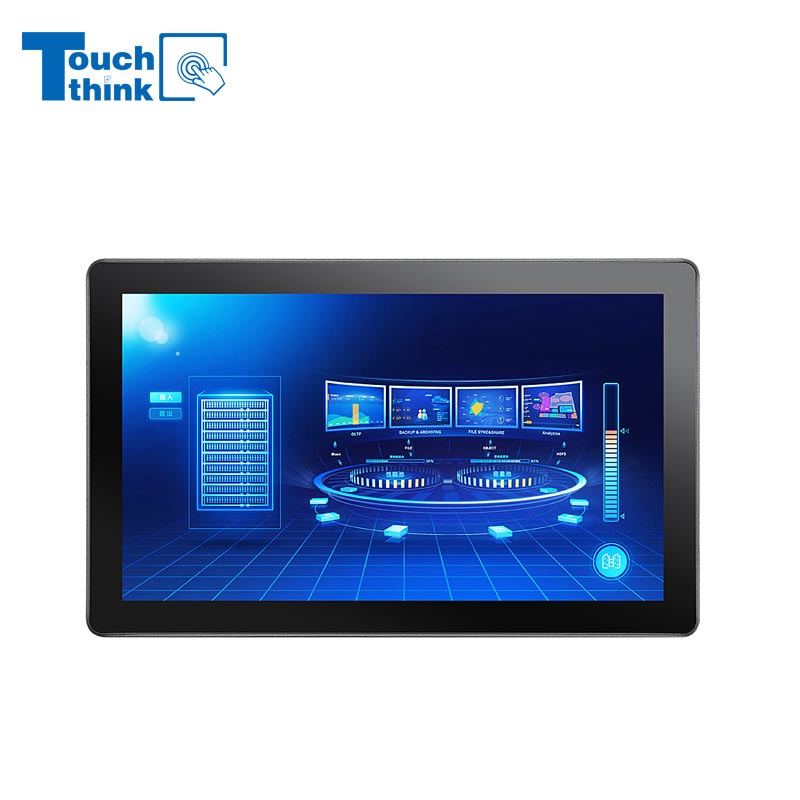
7 inch to 32 inch Options Rear Mount Wide Temperature 24/7 Operation Industrial LCD Monitor VIEW MORE
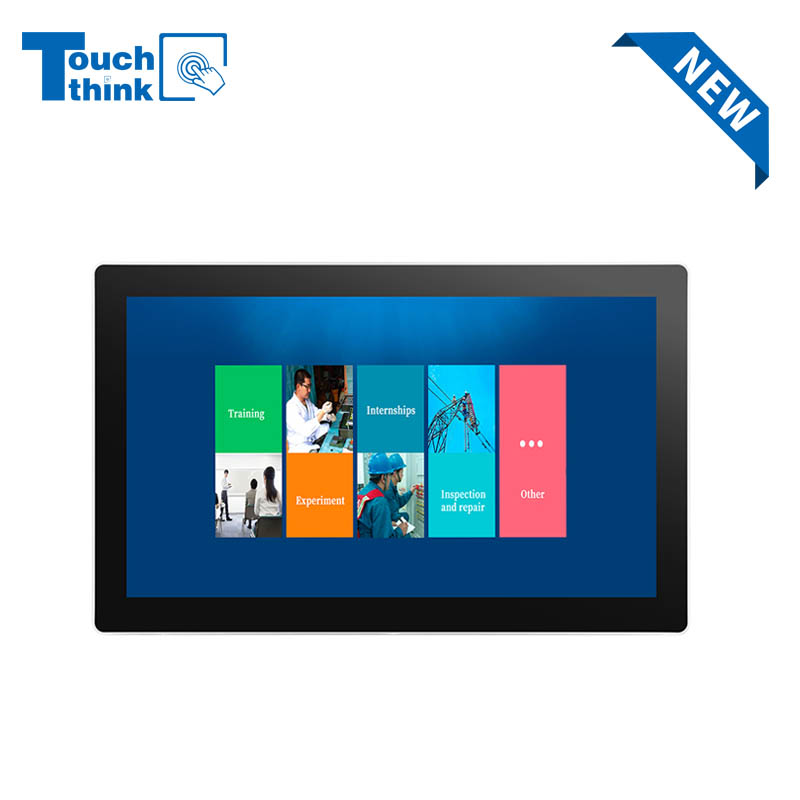
IP65 Wall-Mounted Industrial Touch Screen Monitor | Waterproof HMI Display VIEW MORE
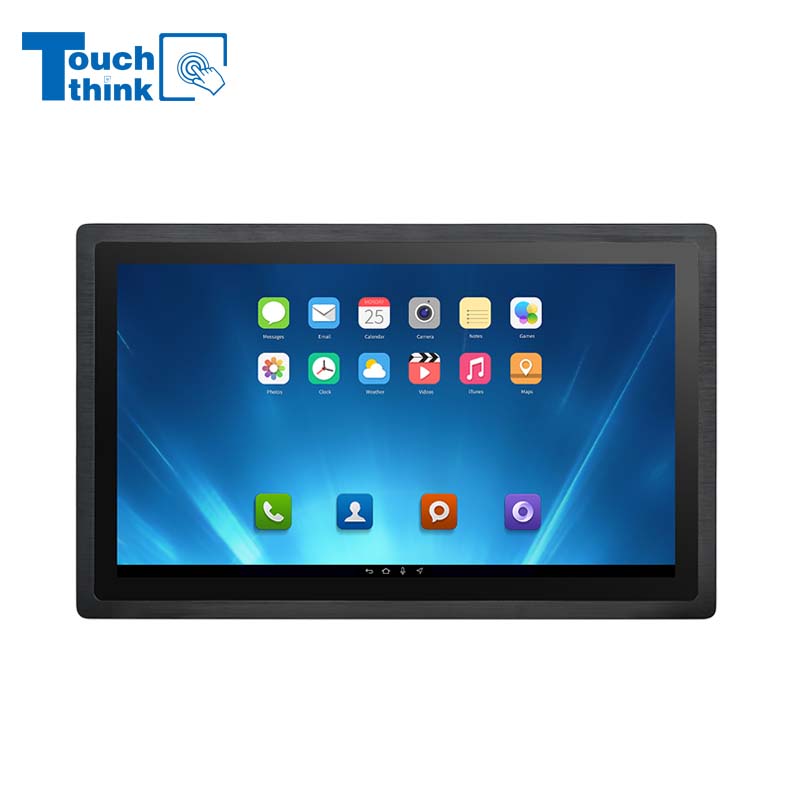
23.8 Inch Industrial Panel PC, Slim Ultra-Thin Design, Multiple I/O Ports, Rugged Touch Computer for IIoT VIEW MORE
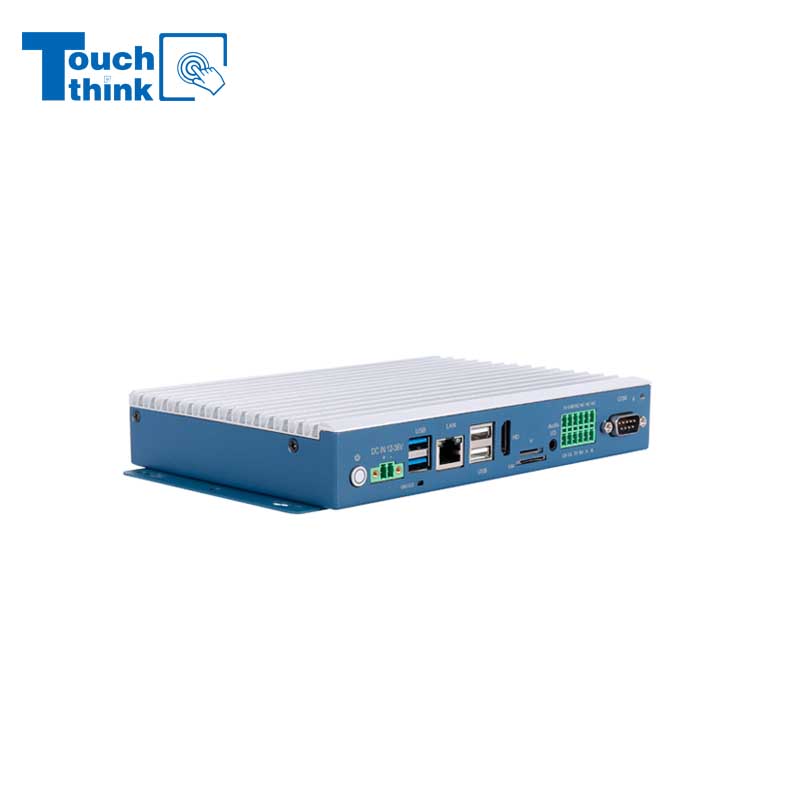
Embedded Fanless Computer ARM Cortex-A55 Quad-Core 64-bit Computers with 1TOPS NPU and Wi-Fi 6 Capabilities VIEW MORE
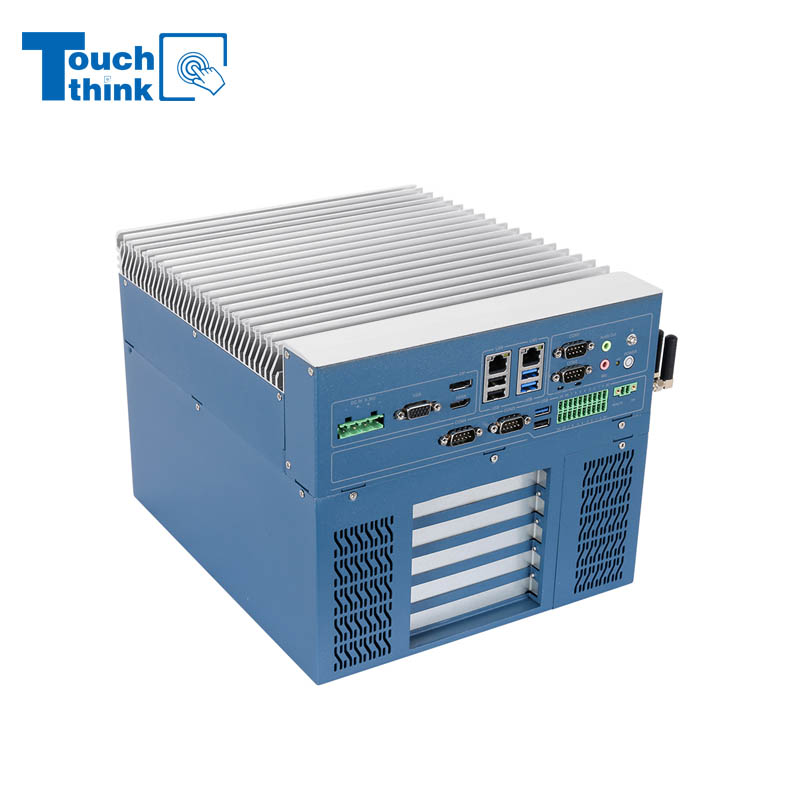
High Expandability Industrial Embedded PC with Expansion Slots PCIex16 PCIex4 9 to 36V Input VIEW MORE
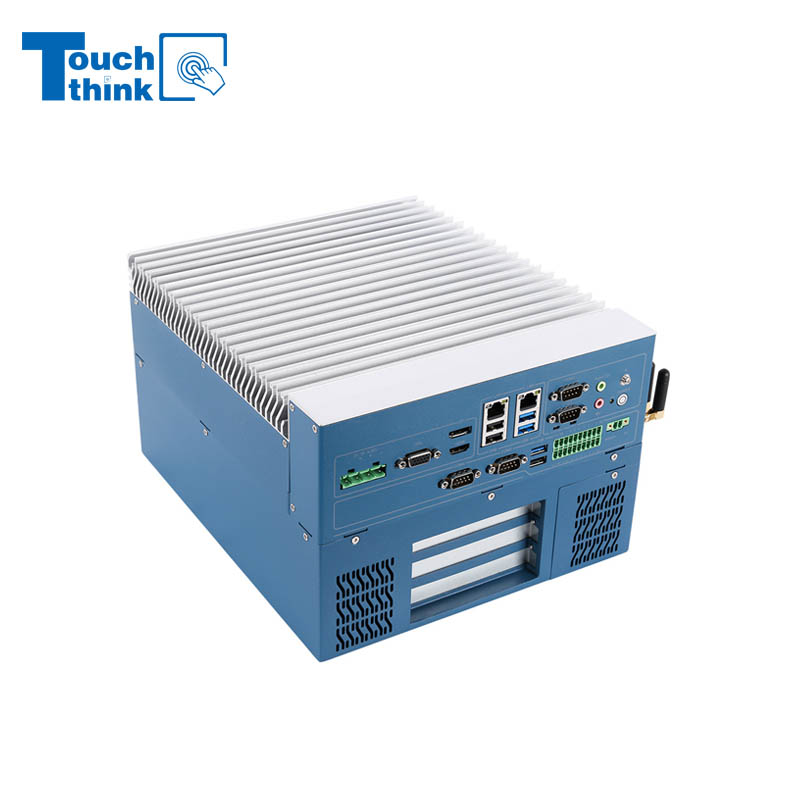
Modular Embedded Computer with Intel® Core 12/13/14th-Gen Processor 2.5GbE LAN VIEW MORE
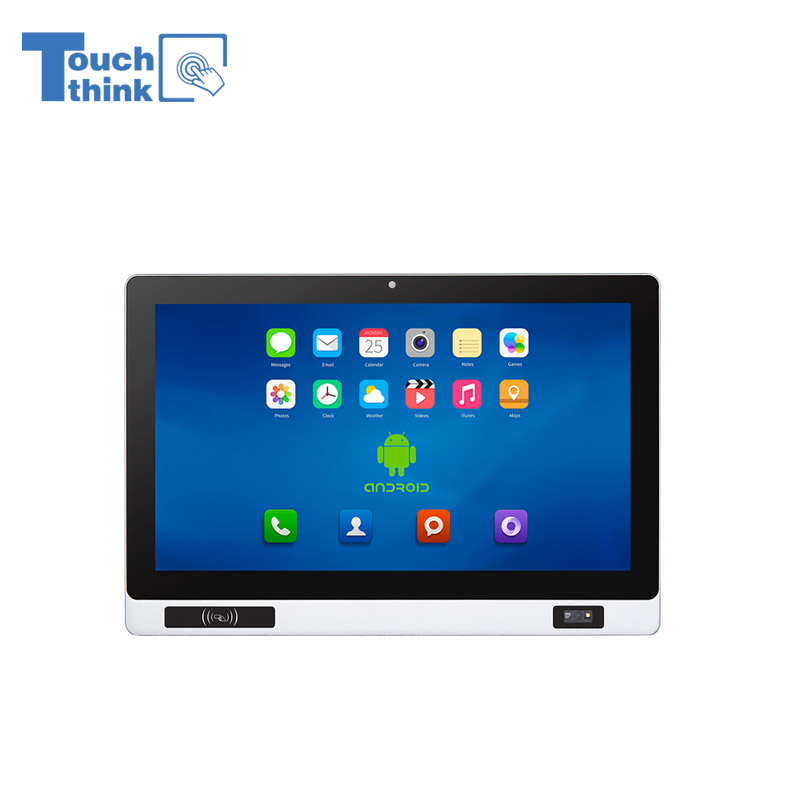
Industrial Panel PC with NFC and QR Code Scanning Functions for Smart Factory VIEW MORE
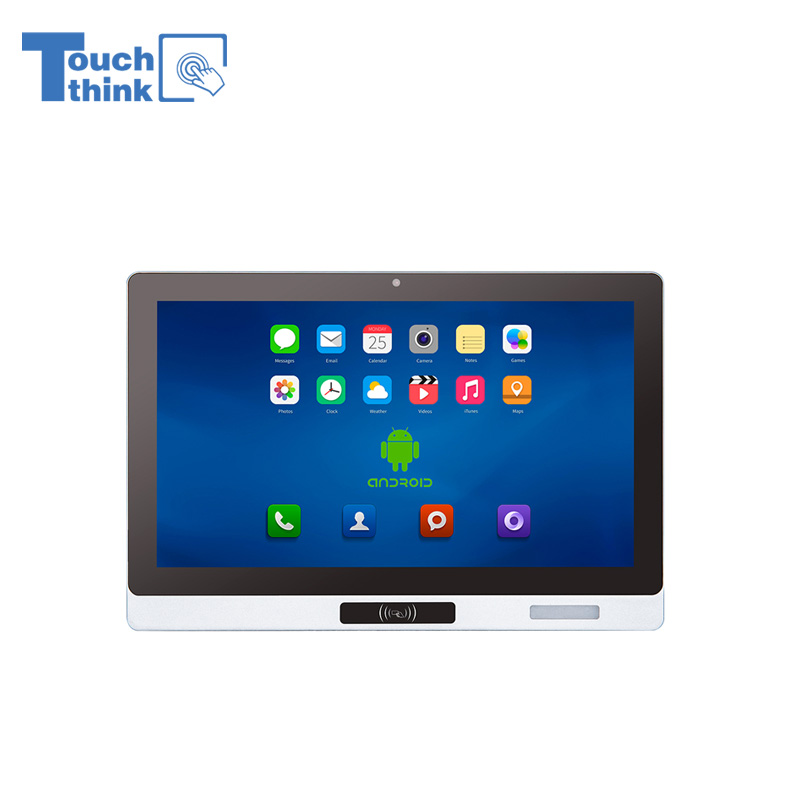
All-in-One Android Panel PCs with NFC/Camera For MES System in Digital Factory 24/7 Use VIEW MORE
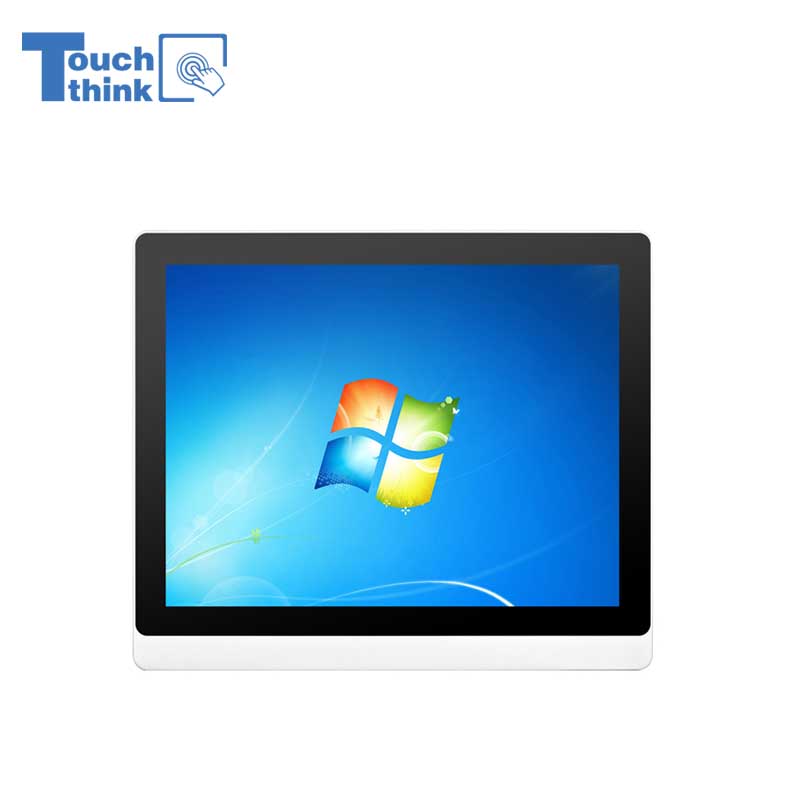
VESA Mount Industrial Touch Panel PC with i3 i5 i7 Processor Desktop Computer 8GB DDR4 128GB SSD VIEW MORE
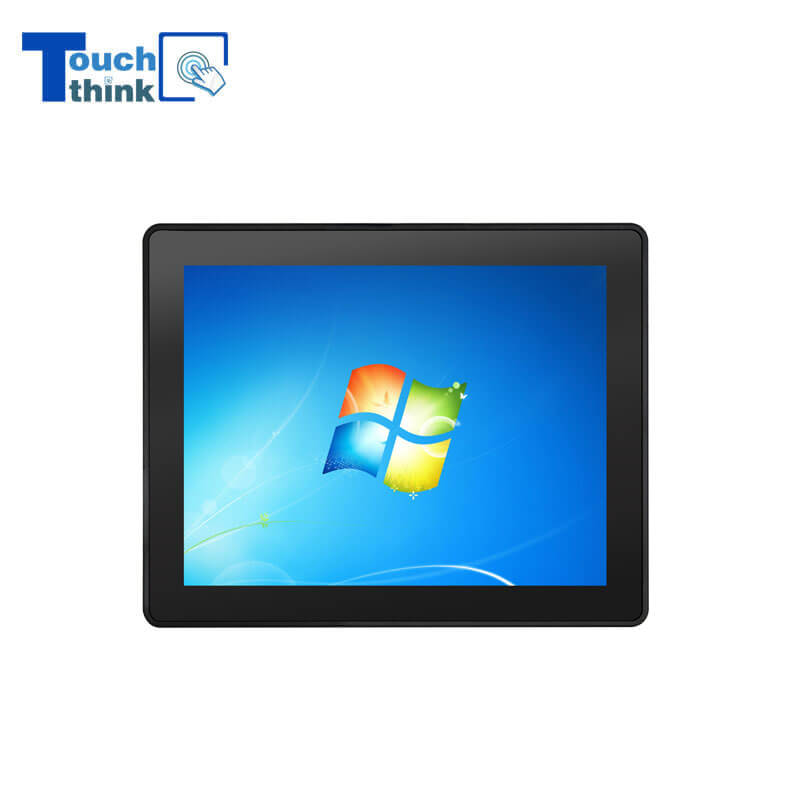
Rugged IP65 Industrial Touchscreen Computer Industrial HMI Panel PC VIEW MORE

8 inch Facial Recognition Terminal For Turnstile Access Control VIEW MORE
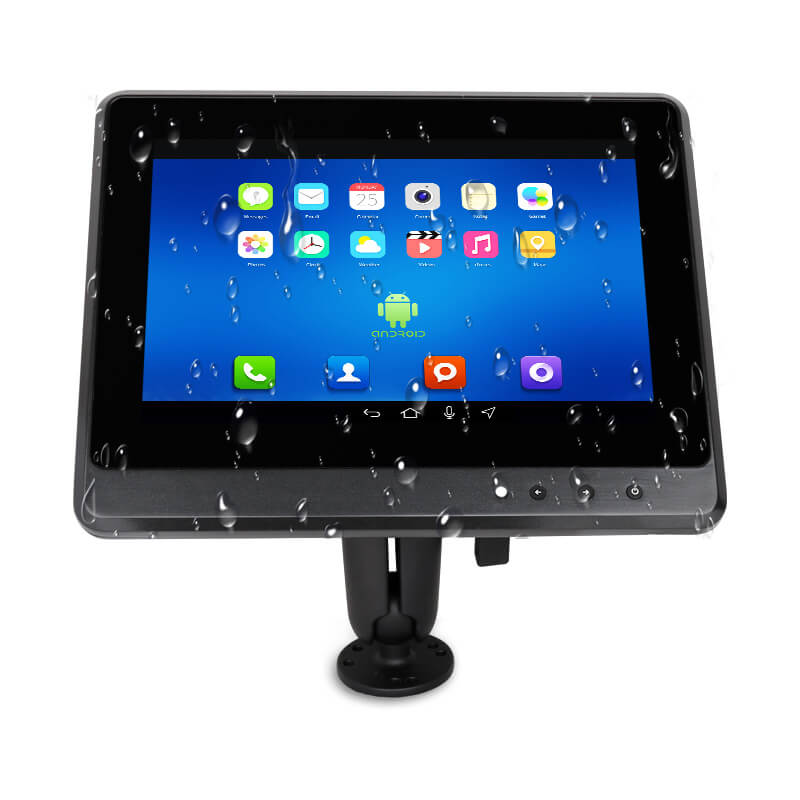
Android In-Vehicle Industrial Panel PC Vehicle AGV Computer VIEW MORE

Copyright © Shenzhen Touch Think Intelligence Co.,Ltd. All Rights Reserved Update cookies preferences