E-mail: touchtec@sztouchtec.com


Industrial touchscreen monitors are widely used in factory automation, machine control, HMI systems, production lines, self-service equipment, transportation systems, and other industrial applications. When an industrial touch screen suddenly stops responding, the problem may not necessarily be caused by a damaged display panel.
The LCD display, touch sensor, touch controller, communication interface, software driver, and host computer all work together as a complete touch system. A failure in any of these components can cause inaccurate, intermittent, or completely unresponsive touch operation.
This guide explains the most common causes of industrial touch screen failure and provides practical troubleshooting steps before replacing the entire monitor.
Industrial touchscreen failures can appear in several different ways:
1. The display works normally, but the touch function does not respond.
2. The touch screen responds intermittently.
3. Touch positions do not match the displayed position.
4. Some areas of the screen cannot be touched.
5. Touch response is delayed.
6. The touchscreen stops working after replacing the computer.
7. The touch screen works normally at first but becomes unstable during operation.
Identifying the exact symptom is the first step toward finding the actual cause.
| Touch Screen Symptom | Possible Cause | Recommended First Check |
| Touch screen is completely unresponsive | Cable, controller, driver, or sensor problem | Check the touch interface and device recognition |
| Display works but touch does not | Touch controller or communication problem | Check USB, RS232, or other touch interface |
| Touch position is inaccurate | Calibration or resolution change | Recalibrate the touchscreen |
| Touch works intermittently | Loose connection, EMI, or unstable power | Check cables, grounding, and power supply |
| Only part of the screen responds | Touch sensor damage or connection problem | Test different areas of the screen |
| Touch response is slow | Software, system load, or communication issue | Check the host system and touch driver |
| Touch fails after replacing the PC | Driver or calibration mismatch | Install the correct driver and recalibrate |
1. Loose or Damaged Touchscreen Connections
One of the first things to check when an industrial touch screen stops responding is the physical connection.
Depending on the monitor design, the touch function may communicate with the host computer through USB, RS232, or another interface. A loose connector, damaged cable, or poor connection between the touch controller and mainboard can interrupt touch communication.
This problem is particularly common in industrial equipment exposed to vibration, mechanical movement, or frequent maintenance.
What to check:
- Touch USB or serial cable
- Internal touch controller connection
- Connector condition
- Cable damage
- Loose connections caused by vibration
- Communication port on the host computer
Disconnecting and reconnecting the touch interface can help determine whether the problem is related to the connection.
2. Touch Controller Failure
The touch controller converts signals from the touch sensor into data that can be recognized by the host system.
If the touch controller malfunctions, the LCD image may continue to work normally while the touchscreen becomes completely unresponsive.
Typical symptoms include:
- No touch response
- Intermittent touch response
- Incorrect touch coordinates
- Touch device not recognized by the operating system
If the host computer cannot detect the touch device after checking the cables and ports, the touch controller may require further testing or replacement.
3. Touchscreen Driver or Software Problems
Not every touchscreen failure is a hardware problem.
The operating system needs to communicate correctly with the touch controller. Incorrect, missing, corrupted, or incompatible drivers can prevent the touchscreen from functioning properly.
Software problems may occur after:
- Reinstalling Windows
- Updating the operating system
- Replacing the industrial PC
- Changing the motherboard
- Updating touchscreen controller firmware
- Changing system configurations
Check whether the touch device is recognized by the operating system and whether the appropriate driver is installed.
For industrial applications, it is recommended to use the touch driver specified for the particular touch controller and operating system.
4. Touchscreen Calibration Problems
Calibration is another common cause of inaccurate touchscreen operation.
A touchscreen may respond normally, but the touch location may not match the position shown on the display. For example, touching a button on the left side of the screen may activate a different button.
This can happen after:
- Changing the display resolution
- Replacing the industrial PC
- Changing the operating system
- Reinstalling the touchscreen driver
- Replacing the display
- Changing display orientation
In these situations, touchscreen calibration should be performed.
When should an industrial touchscreen be recalibrated?
Calibration is particularly important when the relationship between the display coordinates and touch coordinates changes.
For example, if an industrial monitor is connected to a new host computer, the physical position of the touchscreen may remain unchanged, but the software environment and coordinate mapping may be different.
Recalibrating the touchscreen can restore accurate touch positioning.
5. Dirt, Moisture, or Contamination on the Touch Surface
Industrial touchscreen monitors are often installed in environments where dust, oil, moisture, cleaning chemicals, or other contaminants may be present.
Contamination on the touch surface can affect touch recognition, particularly for projected capacitive touchscreen technology.
Possible symptoms include:
- False touches
- Missed touches
- Intermittent response
- Unstable multi-touch operation
Clean the touchscreen using a suitable method recommended by the monitor manufacturer.
Avoid excessive liquid and make sure the surface is dry before testing the touchscreen again.
6. Electrical Noise and EMI
Industrial environments often contain motors, frequency converters, relays, power supplies, welding equipment, and other electrical devices that can generate electromagnetic interference.
Strong electrical interference may affect touchscreen communication or cause intermittent operation.
If the touchscreen works correctly in a laboratory or office environment but becomes unstable after installation on a production line, electromagnetic interference should be considered.
Possible improvements include:
- Checking equipment grounding
- Separating signal and power cables
- Using appropriate shielded cables
- Improving cable routing
- Checking the industrial power supply
- Keeping sensitive signal cables away from high-power equipment
A suitable industrial monitor should also be selected according to the electrical environment in which it will operate.
7. Unstable or Incorrect Power Supply
Power problems can also cause abnormal touchscreen behavior.
An industrial monitor may operate correctly under stable power but experience intermittent problems when the input voltage fluctuates.
Check:
- Input voltage
- Power adapter or DC power supply
- Power connectors
- Wiring
- Voltage fluctuations
- Power supply capacity
For industrial applications, the monitor's rated input voltage should match the actual power system.
If the monitor is installed inside a machine or control cabinet, the power supply should also be checked for electrical interference and transient voltage conditions.
8. Physical Damage to the Touch Panel
Mechanical damage can permanently affect touchscreen operation.
Possible causes include:
- Impact
- Excessive pressure
- Cracked cover glass
- Damaged touch sensor
- Improper installation
- Excessive mechanical stress
- Long-term vibration
If only a specific area of the touchscreen does not respond, inspect the panel carefully for physical damage.
If the touch sensor itself is damaged, recalibration or software troubleshooting will not solve the problem. Professional inspection or component replacement may be required.
9. Temperature and Industrial Environmental Conditions
Industrial touchscreen monitors may be exposed to temperature changes, humidity, dust, vibration, and other environmental conditions that are uncommon in office applications.
Extreme temperatures can affect electronic components and touchscreen performance.
Before diagnosing a hardware failure, check whether the equipment is operating within the manufacturer's specified temperature and humidity range.
For demanding applications, an industrial monitor should be selected according to:
- Operating temperature
- IP protection requirements
- Vibration resistance
- Brightness requirements
- Input voltage
- Installation method
- Touchscreen technology
- Expected operating hours
Choosing the appropriate industrial touchscreen at the beginning can reduce maintenance problems and unplanned downtime.
10. Touchscreen Switch or Button Failure
Some industrial touchscreen systems include physical buttons or switches in addition to the touchscreen interface.
A physical switch that has not been operated for a long period may develop contact oxidation, while loose solder joints, connectors, contamination, or internal circuit problems can also cause switch failure.
If a physical button stops responding, first check whether the problem is mechanical or electrical.
Do not apply excessive force to the switch. If repeated normal operation does not restore the function, the switch, connection, or control circuit should be inspected by qualified personnel.
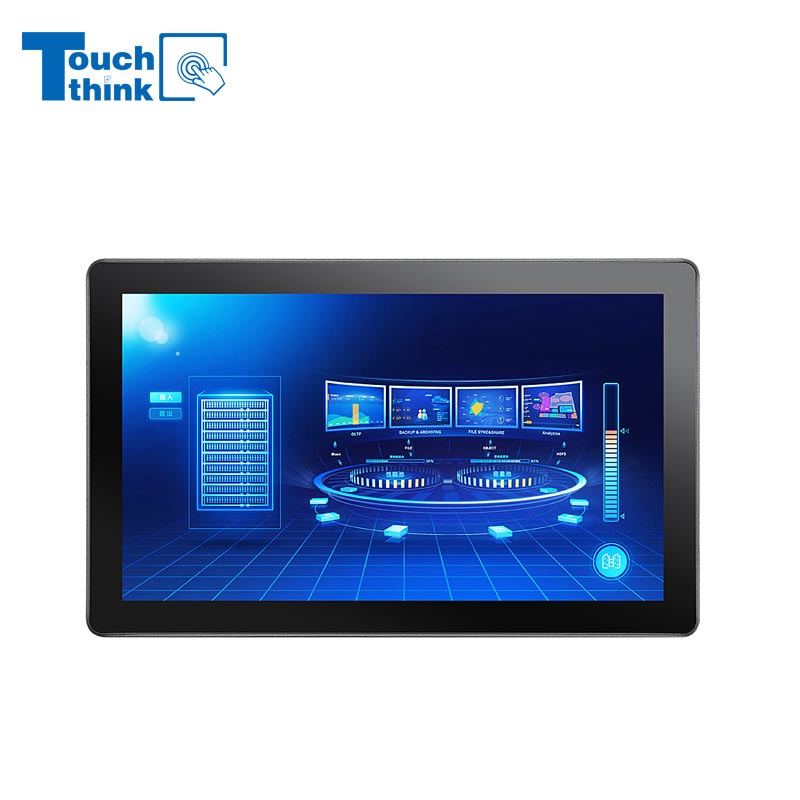
7 inch to 32 inch Options Rear Mount Wide Temperature 24/7 Operation Industrial LCD Monitor VIEW MORE
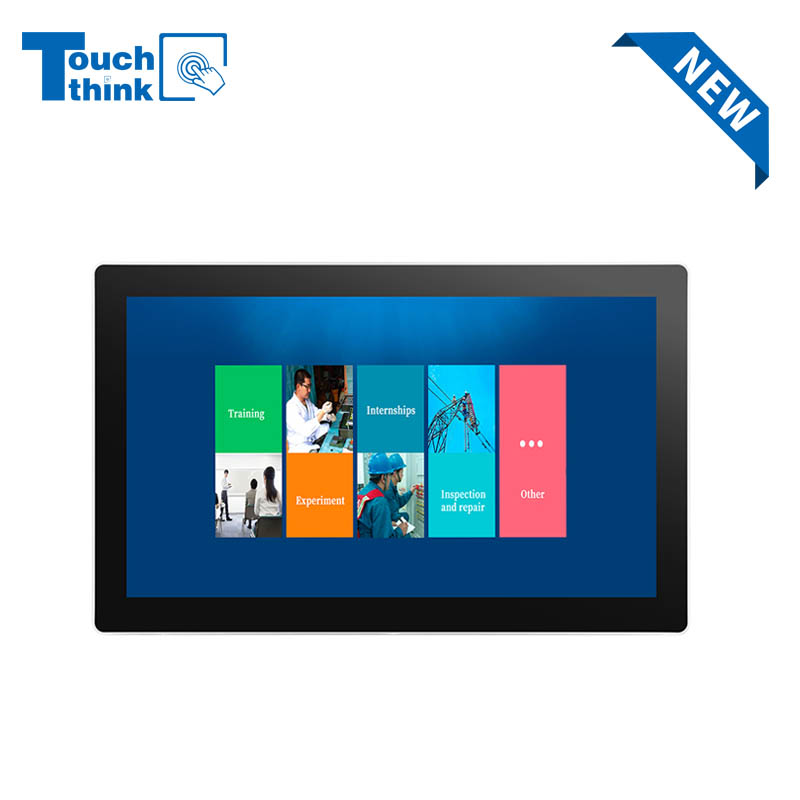
IP65 Wall-Mounted Industrial Touch Screen Monitor | Waterproof HMI Display VIEW MORE
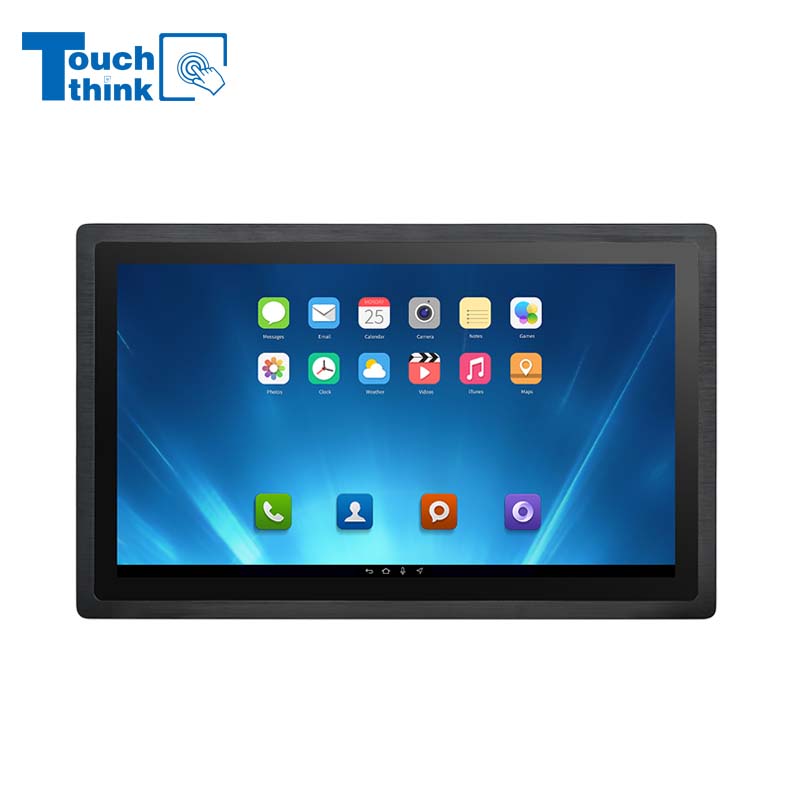
23.8 Inch Industrial Panel PC, Slim Ultra-Thin Design, Multiple I/O Ports, Rugged Touch Computer for IIoT VIEW MORE
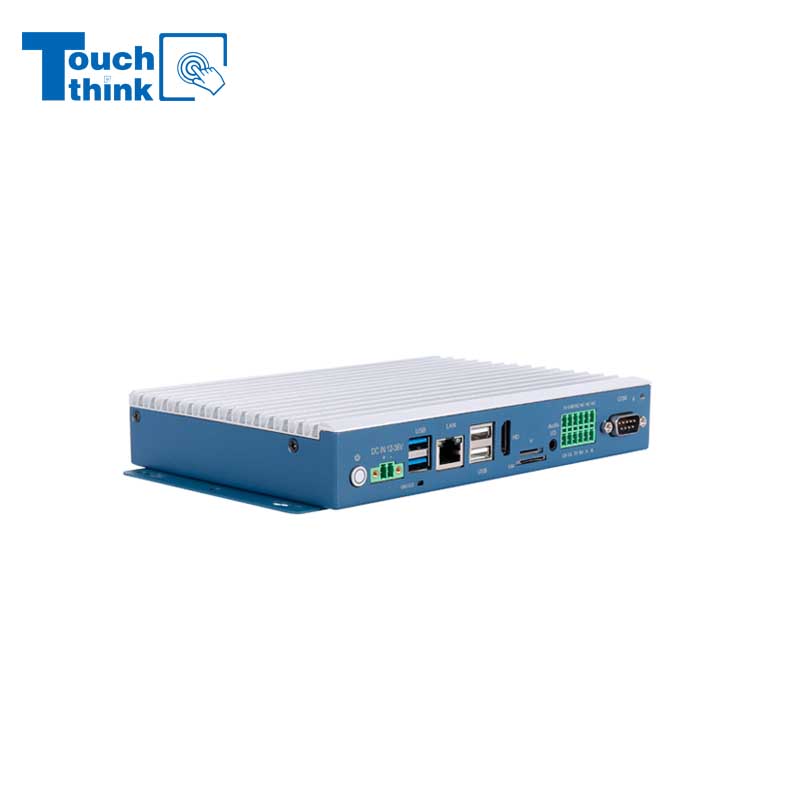
Embedded Fanless Computer ARM Cortex-A55 Quad-Core 64-bit Computers with 1TOPS NPU and Wi-Fi 6 Capabilities VIEW MORE
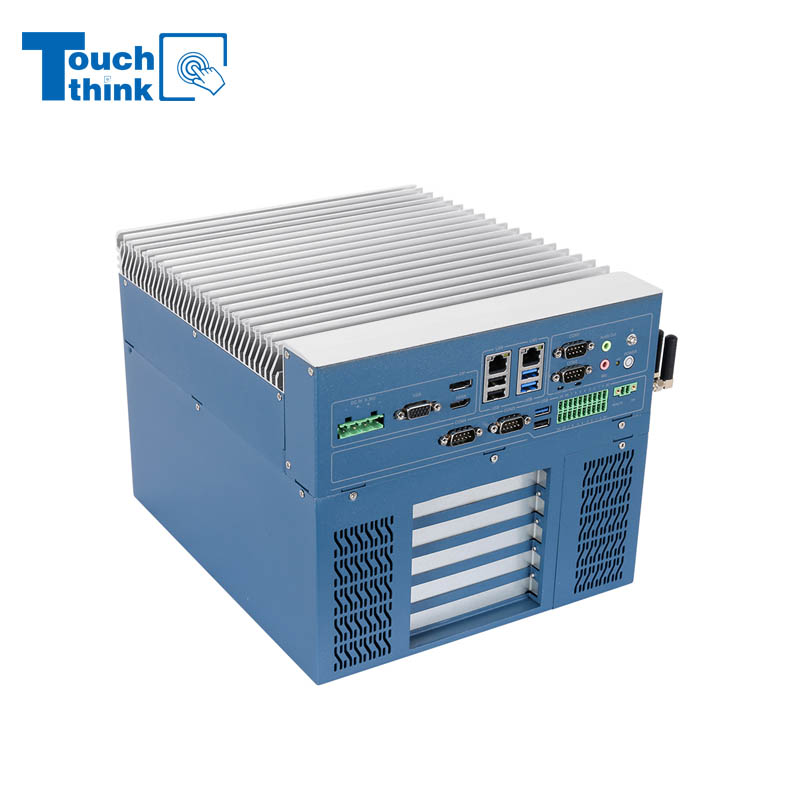
High Expandability Industrial Embedded PC with Expansion Slots PCIex16 PCIex4 9 to 36V Input VIEW MORE
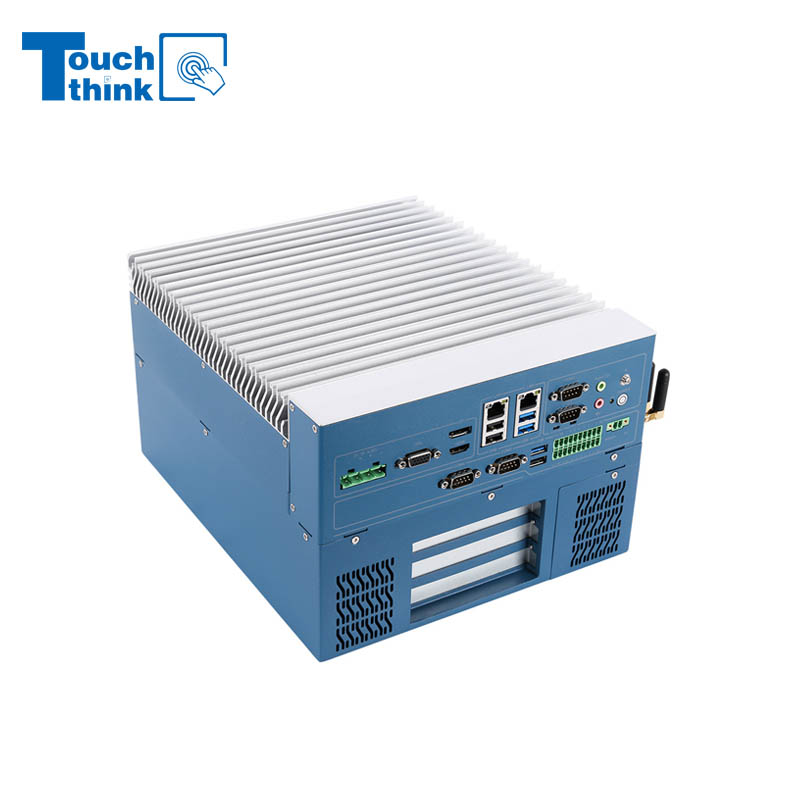
Modular Embedded Computer with Intel® Core 12/13/14th-Gen Processor 2.5GbE LAN VIEW MORE
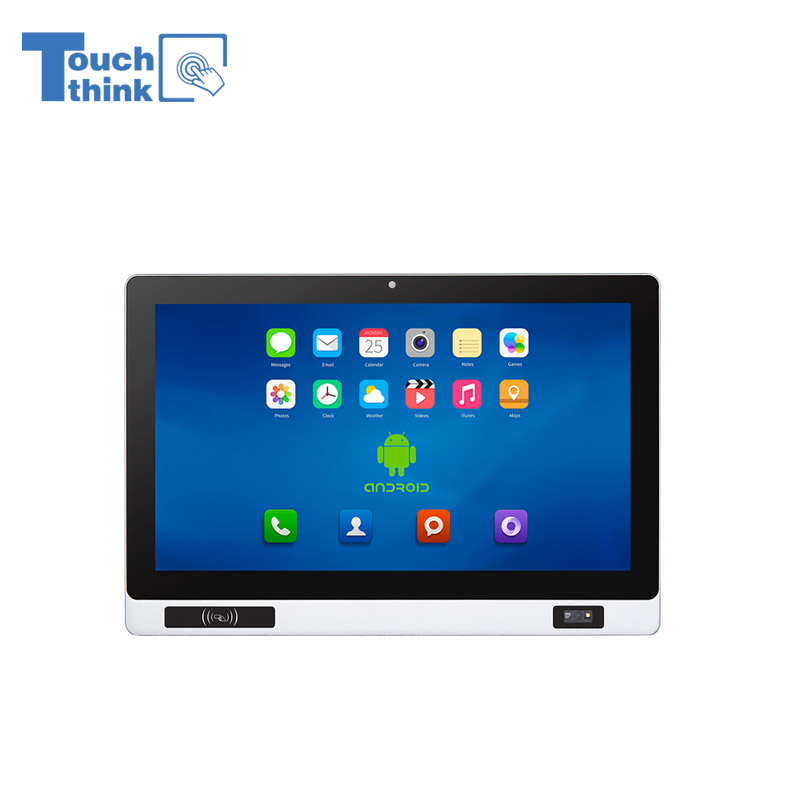
Industrial Panel PC with NFC and QR Code Scanning Functions for Smart Factory VIEW MORE
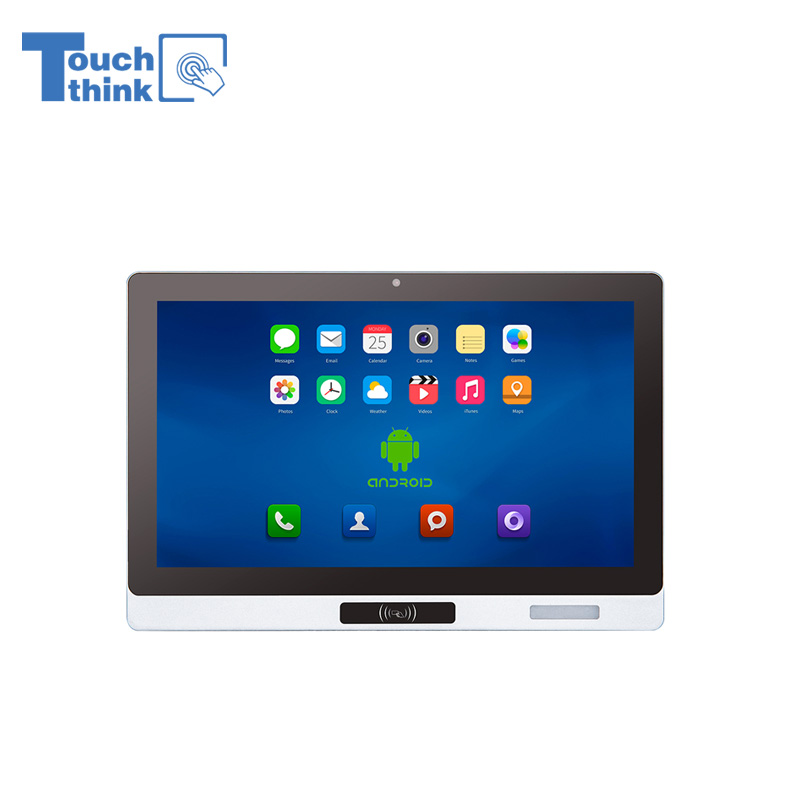
All-in-One Android Panel PCs with NFC/Camera For MES System in Digital Factory 24/7 Use VIEW MORE
VESA Mount Industrial Touch Panel PC with i3 i5 i7 Processor Desktop Computer 8GB DDR4 128GB SSD VIEW MORE
Rugged IP65 Industrial Touchscreen Computer Industrial HMI Panel PC VIEW MORE
8 inch Facial Recognition Terminal For Turnstile Access Control VIEW MORE
Android In-Vehicle Industrial Panel PC Vehicle AGV Computer VIEW MORE

Copyright © Shenzhen Touch Think Intelligence Co.,Ltd. All Rights Reserved Update cookies preferences